Tell me about it: adventures in science communication
Scientists often need to communicate their subject to non-experts, such as policymakers and the public. This absorbing structured activity challenges school students to do the same.
Showing 10 results from a total of 329
Scientists often need to communicate their subject to non-experts, such as policymakers and the public. This absorbing structured activity challenges school students to do the same.
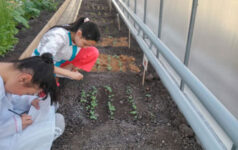
Would your students prefer to grow edible crops or wrangle with statistics? Here’s a way to combine these activities in a real-world application of statistical analysis.
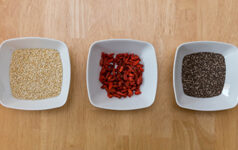
Are you tempted to buy ‘superfoods’ for health reasons, despite the higher prices? These activities encourage students to explore some of the claims made for these celebrity foods.

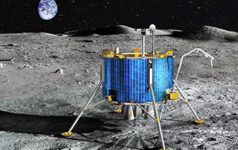
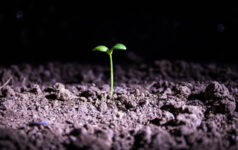
Investigate the factors affecting plant growth and devise a plan for growing plants on the Moon.
Use a common chemical technique from the field of forensics to reveal fingerprints in the laboratory.
Try these crossword puzzles as an entertaining way for your students to brush up on their science general knowledge.
Witness a spectacular chemical reaction and take some careful measurements to work out the empirical formula of a compound.
Encourage students to stay safe in the sun with a collection of activities to discover the science behind sunscreen.
Connect your class with scientists across Europe in a video-conference exchange – and find out about life as a scientific researcher.
You’ll need to put your money on the table for this batch of tricks, then use your scientific knowledge to make ‘cents’ of what happens!
Tell me about it: adventures in science communication
Grow your own statistical data
Are ‘superfoods’ really so super?
Astrofarmer: how to grow plants in space
Solving crimes with chemistry
Science crosswords
Classic chemistry: finding the empirical formula
How effective is your sunscreen?
Making connections: an online exchange with EIROforum scientists
Fantastic feats: magic with money