Seagrass the wonder plant!
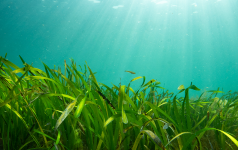
Did you know that there are flowering plants that live in the sea? The unique characteristics of seagrasses are vital for the health of our planet.
Showing 10 results from a total of 49
Did you know that there are flowering plants that live in the sea? The unique characteristics of seagrasses are vital for the health of our planet.
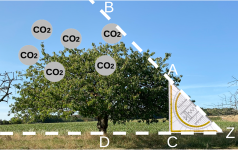
Biology, maths, and the SDGs: estimate the CO2 absorbed by a tree in the schoolyard and compare it to the CO2 emissions of a short-haul flight.
Act now for the Sustainable Development Goals: explore resources developed by European teachers bring the science of sustainability into the classroom.
Mealworms are insects with a high nutritional value and could provide a source of animal protein that is more sustainable than traditional livestock.
Redox reactions carried out by inexpensive baker’s yeast during breadmaking can also be used to demonstrate biofuel cells in the classroom.
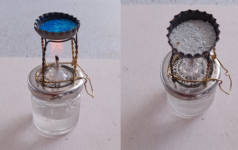
Learn how to do quantitative chemistry experiments involving reaction rates using microscale techniques that are relatively easy and quick to set up, without expensive equipment.
Which is better: tap or bottled water? Try these activities based on simple analyses, a debate, and a blind tasting to learn about drinking water and encourage sustainable habits.
Use the Education corner on the Eurostat website to bring real-life data to your class and teach your students about statistics.
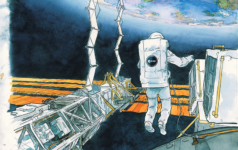
Space is a great topic for inspiring students while teaching curriculum-relevant science. Start now with ESA’s teach with space program.
The oceans cover over 70% of the surface of our planet. Try these activities to learn more about Earth’s largest habitat and how it affects our lives.
Seagrass the wonder plant!
How much carbon is locked in that tree?
Sustainability in the classroom: teaching materials from Science on Stage
Towards sustainable nutrition: could mealworms provide a solution?
Simple biofuel cells: the superpower of baker’s yeast
Quick quantitative chemistry – the microscale way
What are you drinking? Tap water versus bottled water
Eurostat’s Education corner: your key to European statistics
Save the date for Back to School with ESA 2023–2024
Practical ocean literacy for all: ecology and exploration