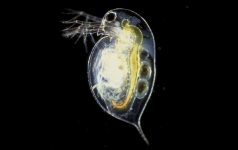
How do social drugs affect metabolism? How is toxicity measured? How does climate change affect water ecosystems? Promote active learning by investigating these questions with Daphnia.
Ages: 14-16, 16-19; Topics: Biology, Chemistry, Earth science, Health
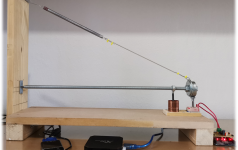
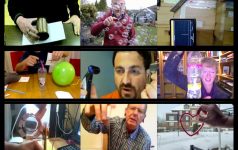
All teachers have at least one favourite experiment that they are eager to share. Read on to learn more about monthly experiment sharing sessions and discover some low-cost physics experiments to try out in your own classroom.
Ages: 11-14, 14-16, 16-19; Topics: Engineering, General science, Physics, Resources
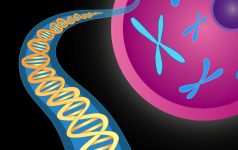
Stroll through biological databases: Walking on chromosomes is a CusMiBio project that teaches students how to explore biological databases and extract basic information about human genes. It is a collaborative activity based on working together and sharing discoveries.
Ages: 14-16, 16-19; Topics: Biology, Health, Science and society
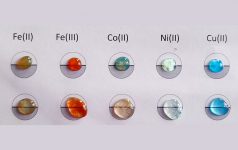
Dropping out: learn about the chemistry of precipitation and introduce your students to chemical reactions that form colourful new compounds using microscale chemistry methods that are cheap, quick, and easy to do.
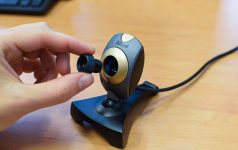
What would the world look like if we could see infrared light? With some simple modifications, you can turn a cheap webcam into an infrared camera and find out!