Practical ocean literacy for all: Earth science
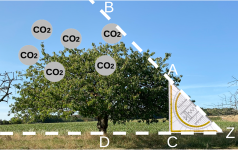
Wherever we live, we affect and are affected by the ocean. Track down escaped rubber ducks, raise mountains, and feel the Sun’s heat to learn more.
Showing 10 results from a total of 283
Wherever we live, we affect and are affected by the ocean. Track down escaped rubber ducks, raise mountains, and feel the Sun’s heat to learn more.
Fantastic beasts: take a microscopic moss safari and learn about the diverse and resilient organisms that live in this challenging habitat.
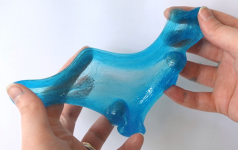
What are slime moulds? And what do they eat for breakfast? Discover these fascinating giant microbes and explore chemotaxis and the scientific method with these slimy experiments.
Did you know that a squid’s brain is donut shaped, so that the oesophagus can pass through it? Or that squid have three hearts? Explore the fascinating physiology of squid in this hands-on activity.
You may have heard pathology labs mentioned in crime shows, but what is plant pathology? Find out about the feuds between plant and pathogen that span millions of years.
This is the story of how scientists created an image of the region around the black hole at the centre of our galaxy by combining many telescopes into one virtual telescope the size of the Earth.
Fabrics are not just for fashion: explore the processes materials science engineers use when selecting fabrics by designing a parachute.
Great and small: use this photomicroscopy project to explore the way structure relates to function and the links between science and art.
Always wanted to do coding with your students but not sure where to start? Learn how with this step-by-step guide to create a timer using a micro:bit computer.
Looking for a user-friendly interactive map-based educational tool on the ocean? Dive into the European Atlas of the Seas!
Practical ocean literacy for all: Earth science
Moss Safari: what lives in moss?
Moving slime: exploring chemotaxis with slime mould
Squid dissection: a hands-on activity to learn about cephalopod anatomy
Plant pathology: plants can get sick too!
How global teamwork revealed the mystery at the heart of our galaxy
How do materials science engineers choose fabrics for parachutes?
It’s a small world: using microscopy to link science, technology, and art
Introducing block coding: using the BBC micro:bit in the science classroom
The European Atlas of the Seas: an interactive tool for ocean literacy