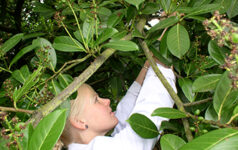
As we finalise the contents of this issue, I’ve been thinking a lot about mentors and teachers. A school reunion is not just an excuse to meet with old friends and classmates, but also an opportunity to revisit the school itself – which invariably seems smaller now than it did even when I was a…
These days, more and more of my colleagues in science, technology, engineering and mathematics (STEM) education are warming to the idea of closer links with industry to show students what these subjects can do in the real world.
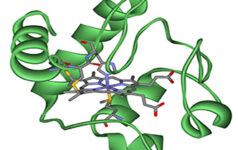
Sub-titled “The new science of memory”, this is the paperback edition of a title that appeared first in the UK in 2012 and has received several awards.
How do astronomers investigate the life cycle of stars? At the European Space Agency, it’s done using space-based missions that observe the sky in ultraviolet, visible and infrared light – as this fourth article in a series about astronomy and the electromagnetic spectrum describes.
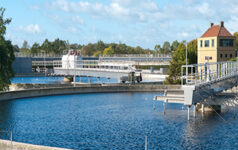
Industrial activities and even geological changes can affect the quality of water, causing contamination that poses risks to human health and the environment. Learn how to become an independent analyst to ensure that we have good-quality water.
More than 10 years ago, a very clever and inventive inhabitant from a favela discovered he could produce light without electricity. Now solar bulbs are spreading all over the world.
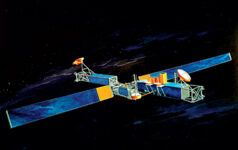
The smooth operation of communications satellites can be influenced by solar weather. Mimic this effect on a smaller scale in the classroom with a simple demonstration.
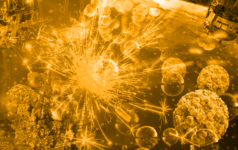
To keep refuelling its reactor, the EFDA-JET facility fires frozen hydrogen pellets into 150 million°C plasma. But these pellets have an added benefit as well.