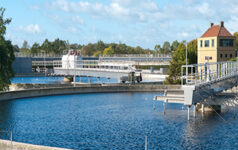
Industrial activities and even geological changes can affect the quality of water, causing contamination that poses risks to human health and the environment. Learn how to become an independent analyst to ensure that we have good-quality water.
Science in School is published by EIROforum, a collaboration between eight of Europe’s largest inter-governmental scientific research organisations (EIROs). This article reviews some of the latest news from EIROs.
Ages: not applicable; Topics: News from the EIROs, Physics, Biology
Science in School is published by EIROforum, a collaboration between eight of Europe’s largest inter-governmental scientific research organisations (EIROs). This article reviews some of the latest news from EIROs.
Ages: not applicable; Topics: News from the EIROs, General science, Physics, Biology, Chemistry, Engineering
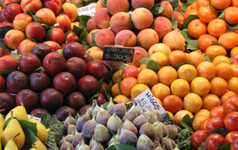
You are what you eat – quite literally. Our diet can influence the tiny changes in our genome that underlie several diseases, including cancer and obesity.
Ages: 14-16, 16-19; Topics: Biology, General science, Chemistry