
Articles

Filter
Age group
Topic
Filter

Showing 10 results from a total of 163

| Issue 20

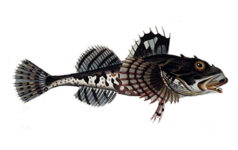
Neutrons and antifreeze: research into Arctic fish

Matthew Blakeley from ILL and his colleagues from ESRF and elsewhere have discovered how antifreeze in Arctic fish blood keeps them alive in sub-zero conditions. He and Eleanor Hayes explain.

Ages: 16-19;
Topics: Physics, Biology, Chemistry
               

| Issue 19

Moja Island: learning about renewable energy sources

Renewable energy is not only important in the developed world; in developing countries, it may be a prerequisite to overcoming poverty. Marlene Rau introduces a teaching activity from Practical Action.

Ages: 11-14, 14-16;
Topics: Earth science
             

| Issue 19

The DNA detective game

With the help of a detective game, Kenneth Wallace-Müller from the Gene Jury team introduces the use of DNA in forensics and the ethical questions involved.

Ages: 16-19;
Topics: Biology
           

| Issue 19

What is chemiluminescence?

Glowing jellyfish, flickering fireflies, fun glow sticks; Emma Welsh introduces the beautiful and mysterious world of chemiluminescence.

Ages: 14-16, 16-19;
Topics: Biology, Chemistry
                 

| Issue 19

Ask a Biologist website

The Ask a Biologist website is dedicated to answering questions on all aspects of biology. Although aimed primarily at school students of all ages, questions are accepted from anyone, whatever their age, including teachers.

Ages: not applicable;
Topics: Resources

| Issue 19

Amber: an introduction to organic chemistry

Did you know that the electron and electricity are named after amber, the ‘gold’ of the Baltic Sea? Bernhard Sturm’s teaching unit based on this fossilised resin introduces not only conductivity but also many other characteristics of solid organic compounds.

Ages: 16-19;
Topics: Physics, Chemistry
             

| Issue 18

To sea with a blind scientist

Scientific research is not a career that most people believe to be suitable for the blind, but such beliefs are changing. Biologist Geerat Vermeij explains that, whether you are blind or not, science is competitive, tedious and hard – and he loves it.

Ages: 11-14, 14-16;
Topics: Profiles
   

| Issue 18

Uracil in DNA: error or signal?

Uracil is well known as one of the bases used in RNA, but why is it not used in DNA – or is it? Angéla Békési and Beáta G Vértessy investigate.

Ages: 16-19;
Topics: Biology
                   

| Issue 18

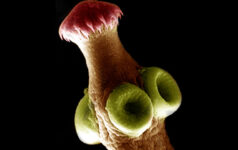
Moringa: the science behind the miracle tree

Moringas have long been known as miracle trees. Now scientists are investigating their properties in depth, as Sue Nelson and Marlene Rau report.

Ages: <11, 11-14, 14-16, 16-19;
Topics: Biology, Chemistry