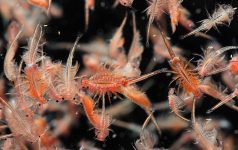
Explore Mars in the classroom through accessible experiments with Artemia, linking astrobiology, aquatic ecology, light responses, and scientific inquiry.
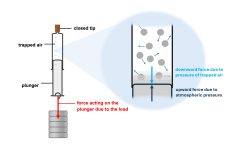
Challenge your students’ misconceptions about suction by using a simple gas syringe to demonstrate the impressive power of atmospheric pressure and pressure differences!
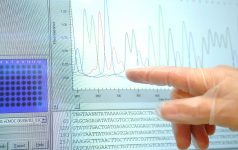
DNA-based methods such as PCR, gel electrophoresis and bioinformatics, provide a practical insight into virus research for students – applicable to COVID-19, bird flu and others.
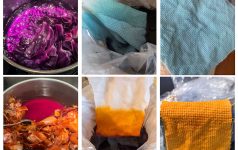
Towards sustainable and circular fashion: learn about different textiles, their characteristics, and how to identify and dye them using natural ingredients.
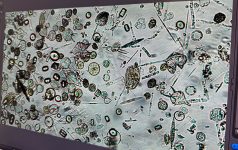
Turn your classroom into a marine science station and step into the lively world of plankton – tiny aquatic dancers under the microscope that quietly power food webs and even Earth’s ecosystems.
What can the colours on a satellite map actually tell us about the air we breathe?
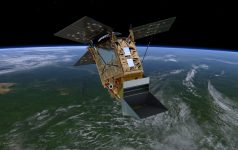
Join us as we explore how the Copernicus Sentinel satellites detect gases such as nitrogen dioxide, and how chemistry helps us understand what’s happening in the atmosphere above us.