Sharp eyes: how well can we really see?
Exploring visual acuity requires not only biological experiments, but also some understanding of the underlying physics.
Showing 10 results from a total of 163
Exploring visual acuity requires not only biological experiments, but also some understanding of the underlying physics.
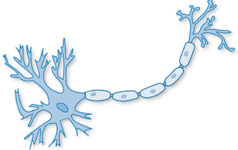
Studies of radiocarbon are helping scientists to understand how neurons remain stable yet adaptable.
Teaching viscosity can be sweetened by using chocolate.
The diverse bacteria in and around us can influence our health in a multitude of ways
Learn how fluorescent biosensors can monitor the chemistry inside living cells.
Bruno Pin can go a long way to find new methods of making science meaningful to his students.
Recreate the epic fight between pathogens and the immune system in your classroom.
When we watch elite runners breaking world records, we rarely think about the chemistry and physics of the running tracks.
Sharp eyes: how well can we really see?
The element of surprise
Melts in your viscometer, not in your hand
Microbes as a medicine
Cellular redox – living chemistry
Bruno Pin: a lifetime of sharing knowledge
Ready, set, infect!
On track: technology for runners