Showing 10 results from a total of 37
June 11, 2026 | Issue 78
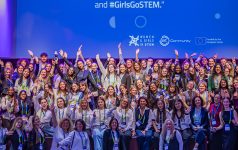
Teachers are central to any effort to get more girls interested in STEM. Yet supporting them often comes second to supporting the students.
Ages: 11-14, 14-16, 16-19; Topics: Science and society, Careers in STEM, Events, Resources
June 11, 2026 | Issue 78
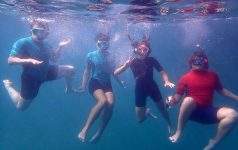
What does becoming a Blue School look like? Three European projects show how students investigate water and ocean issues.
Ages: 11-14, 14-16, 16-19; Topics: Earth science, General science, Science and society, Sustainability, Resources
June 11, 2026 | Issue 78
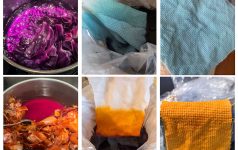
Towards sustainable and circular fashion: learn about different textiles, their characteristics, and how to identify and dye them using natural ingredients.
Ages: <11, 11-14, 14-16, 16-19; Topics: Chemistry, Science and society, Sustainability
April 2, 2026 | Issue 77
Invisible soap, heavy water and a research reactor come together to provide enlightening insights into how plants and bacteria turn light into food.
Ages: 11-14, 14-16, 16-19; Topics: Biology, Chemistry, Earth science, News from the EIROs, Physics, Sustainability
April 2, 2026 | Issue 77
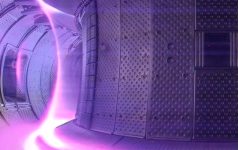
For fusion researchers, light is far more than a symbol, it is an essential tool.
Ages: 16-19; Topics: Engineering, News from the EIROs, Physics, Sustainability
February 3, 2026 | Issue 76
Project Earth supports students to innovate for the planet with expert advisors and ‘Pitch for the Planet'. Take part!
Ages: 11-14, 14-16, 16-19; Topics: Earth science, Events, General science, Science and society, Sustainability
February 3, 2026 | Issue 76
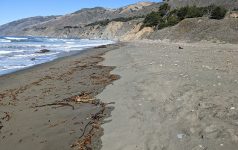
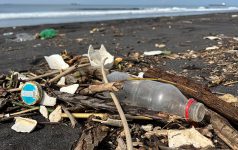
Every tide tells a story. Discover how waves, shells, and even litter reveal clues about marine life and our shared connection with nature.
Ages: 11-14, 16-19, 14-16; Topics: Biology, Earth science, General science
February 3, 2026 | Issue 76
Turn a beach visit into a science adventure! Explore the animals, plants, shells, and even litter stranded on the beach to reveal the secrets of marine life and ocean dynamics.
Ages: 11-14, 14-16, 16-19; Topics: Biology, Earth science, General science
June 10, 2025 | Issue 73
Ready to bring circular economy concepts to your classroom and teach your students hands-on STEM and digital skills? Explore Girls Go Circular!
Ages: 11-14, 14-16, 16-19; Topics: Engineering, General science, Science and society, Sustainability, Careers in STEM, Events
June 10, 2025 | Issue 73
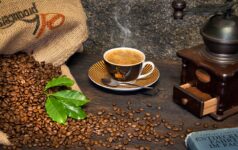
Circle of life: explore sustainability, the circular economy, and chemical analysis by evaluating coffee waste as a potential soil enhancer.
Ages: 14-16, 16-19; Topics: Biology, Chemistry, General science, Sustainability