Showing 10 results from a total of 18
June 11, 2026 | Issue 78
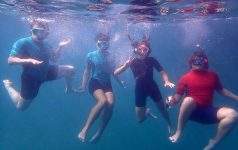
What does becoming a Blue School look like? Three European projects show how students investigate water and ocean issues.
Ages: 11-14, 14-16, 16-19; Topics: Earth science, General science, Science and society, Sustainability, Resources
February 3, 2025 | Issue 71
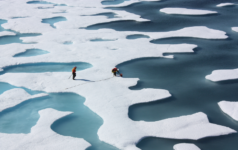
Under the Sun, light colours stay cool, while black heats up. But what does this mean for the natural world? Let's explore the consequences of albedo.
Ages: 14-16, 16-19; Topics: Earth science, Physics, Science and society, Sustainability
September 1, 2023 | Issue 64
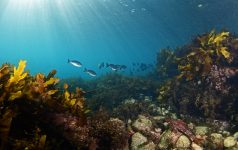
The oceans cover over 70% of the surface of our planet. Try these activities to learn more about Earth’s largest habitat and how it affects our lives.
Ages: 11-14, 14-16; Topics: Biology, Chemistry, Earth science, Science and society, Sustainability
June 1, 2023 | Issue 63
Turning the tide: celebrate World Oceans Day in your classroom with ocean articles spanning the breadth of STEM subjects, from biology to physics.
Ages: not applicable; Topics: Biology, Chemistry, Earth science, Engineering, General science, Science and society, Sustainability
June 1, 2023 | Issue 63
Wherever we live, we affect and are affected by the ocean. Track down escaped rubber ducks, raise mountains, and feel the Sun’s heat to learn more.
Ages: 11-14, 14-16; Topics: Earth science, Science and society, Sustainability
September 1, 2022 | Issue 59
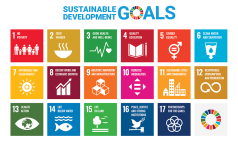
Explore the science behind some of the SDGs and the key role science has to play in our efforts towards achieving them.
Ages: not applicable; Topics: Earth science, Engineering, General science, Science and society, Sustainability, Events
November 3, 2021 | Issue 55
Did you know that carbon dioxide dissolves in bodies of water and affects the ocean? Explore the effect of carbon dioxide on ocean chemistry with these practical activities.
Ages: 11-14, 16-19, 14-16; Topics: Earth science, General science, Physics, Science and society, Chemistry
June 6, 2016 | Issue 36
Educate others about the importance of the ocean
Ages: not applicable; Topics: Resources