Showing 7 results from a total of 7
June 11, 2026 | Issue 78
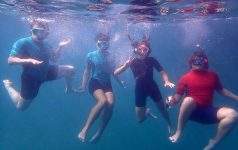
What does becoming a Blue School look like? Three European projects show how students investigate water and ocean issues.
Ages: 11-14, 14-16, 16-19; Topics: Earth science, General science, Science and society, Sustainability, Resources
April 2, 2026 | Issue 77
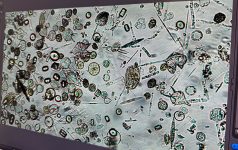
Turn your classroom into a marine science station and step into the lively world of plankton – tiny aquatic dancers under the microscope that quietly power food webs and even Earth’s ecosystems.
Ages: 14-16, 16-19; Topics: Biology, Earth science, Resources
February 3, 2026 | Issue 76
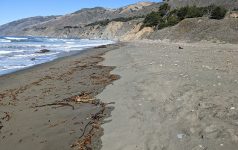
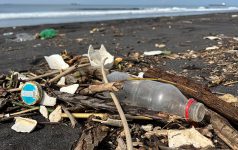
Every tide tells a story. Discover how waves, shells, and even litter reveal clues about marine life and our shared connection with nature.
Ages: 11-14, 16-19, 14-16; Topics: Biology, Earth science, General science
February 3, 2026 | Issue 76
Turn a beach visit into a science adventure! Explore the animals, plants, shells, and even litter stranded on the beach to reveal the secrets of marine life and ocean dynamics.
Ages: 11-14, 14-16, 16-19; Topics: Biology, Earth science, General science
September 1, 2023 | Issue 64
The oceans cover over 70% of the surface of our planet. Try these activities to learn more about Earth’s largest habitat and how it affects our lives.
Ages: 11-14, 14-16; Topics: Biology, Chemistry, Earth science, Science and society, Sustainability
June 1, 2023 | Issue 63
Wherever we live, we affect and are affected by the ocean. Track down escaped rubber ducks, raise mountains, and feel the Sun’s heat to learn more.
Ages: 11-14, 14-16; Topics: Earth science, Science and society, Sustainability
February 1, 2023 | Issue 61
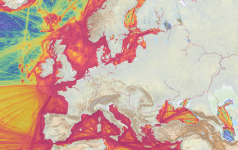
Looking for a user-friendly interactive map-based educational tool on the ocean? Dive into the European Atlas of the Seas!
Ages: <11, 11-14, 14-16, 16-19; Topics: Biology, Chemistry, Earth science, Engineering, Science and society, Sustainability, Resources