Measuring is believing: quantifying adaptation behaviour of Hydra
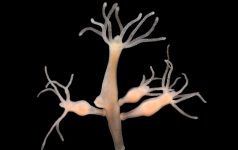
Amazing Hydra: A spineless creature with astounding regenerative properties that can adapt to changing environments.
Showing 6 results from a total of 6
Amazing Hydra: A spineless creature with astounding regenerative properties that can adapt to changing environments.
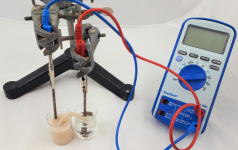
Redox reactions carried out by inexpensive baker’s yeast during breadmaking can also be used to demonstrate biofuel cells in the classroom.
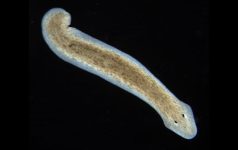
Meet the planarian, a fascinating flatworm with incredible biological abilities and unique and surprising ways to respond to various stimuli.
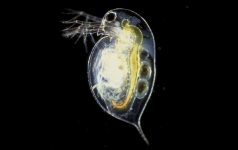
How do social drugs affect metabolism? How is toxicity measured? How does climate change affect water ecosystems? Promote active learning by investigating these questions with Daphnia.
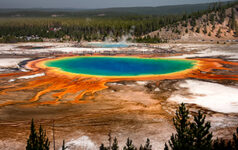
Scalding volcanic springs are home to some remarkable microorganisms, and biotechnology is now finding uses for these microscopic survivors.
Friedlinde Krotscheck describes how she used a cutting-edge science article from Science in School as the main focus of a teaching unit on the human body.
Measuring is believing: quantifying adaptation behaviour of Hydra
Simple biofuel cells: the superpower of baker’s yeast
Hands-on experiments with planaria
From drugs to climate change: hands-on experiments with Daphnia as a model organism
Some (microbes) like it hot
Using cutting-edge science within the curriculum: balancing body weight