Supporting materials
Worksheet B: Sequence analysis
Download
Download this article as a PDF



DNA-based methods such as PCR, gel electrophoresis and bioinformatics, provide a practical insight into virus research for students – applicable to COVID-19, bird flu and others.
Viral pathogens like SARS-CoV-2, bird flu and Ebola pose recurring global challenges requiring rapid scientific response.[1] In this unit, students apply molecular biology methods to compare virus variants at the DNA level using a bioinformatics software. They explore essential questions: Why are primers needed? What makes mutations dangerous?[2] How does bioinformatics aid vaccine development?[3,4] Activities connect to real research at the European XFEL (X-Ray Free-Electron Laser Facility), where scientists use ultra-short X-ray pulses to visualise SARS-CoV-2 proteins.[5] This demonstrates the modern science of being networked, data-driven and socially relevant. As well as acquiring specialised knowledge, students develop scientific thinking skills such as precise observation, logical reasoning, and critical evaluation using methods applicable across viral diseases.[6]
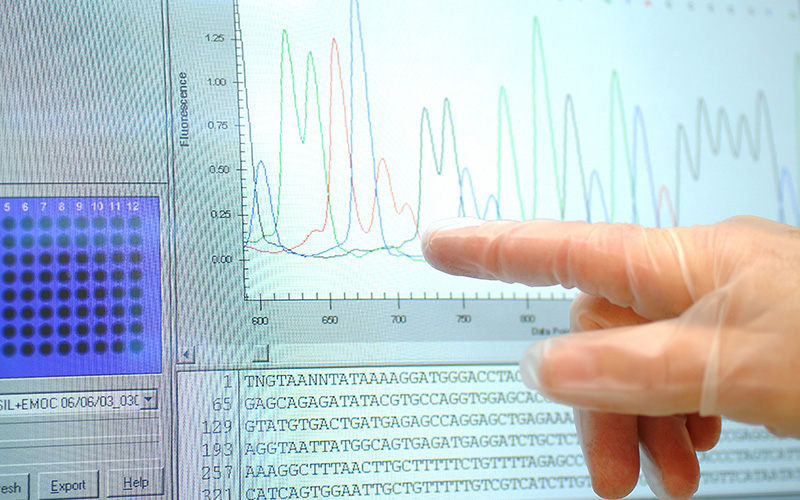
A short, visually impressive video gives the students an initial insight into modern virus research. The focus is on how large-scale scientific research facilities, such as the European XFEL, help to visualise new virus structures, which form the basis for vaccine development, drug research and pandemic preparation.
The solutions for each task can be found in the supplemental materials Solution worksheet A.
As a teacher, you will moderate a joint evaluation in a plenary session:
A detailed explanation for each of these questions can be found in the Discussion answers.
This lesson introduces students to DNA sequence analysis using real SARS-CoV-2 variants. Using the free MEGA software, students will learn to identify point mutations by comparing spike protein gene sequences from the wild type, Delta and Omicron variants. This hands-on activity demonstrates how mutations arise, how they’re detected and their potential effects on the protein structure and function. Students will gain practical experience of how to use bioinformatics tools, while developing an understanding of the evolutionary processes that drive viral adaptation.
Duration: 90–120 min
Per student or pair:
Teacher preparation:
Phase 1: Software Introduction (15 min)
Phase 2: Sequence alignment (20 min)
Phase 3: Mutation investigation (35 min)
Phase 4: Analysis and discussion (25 min)
Phase 5: Extension activities (homework)
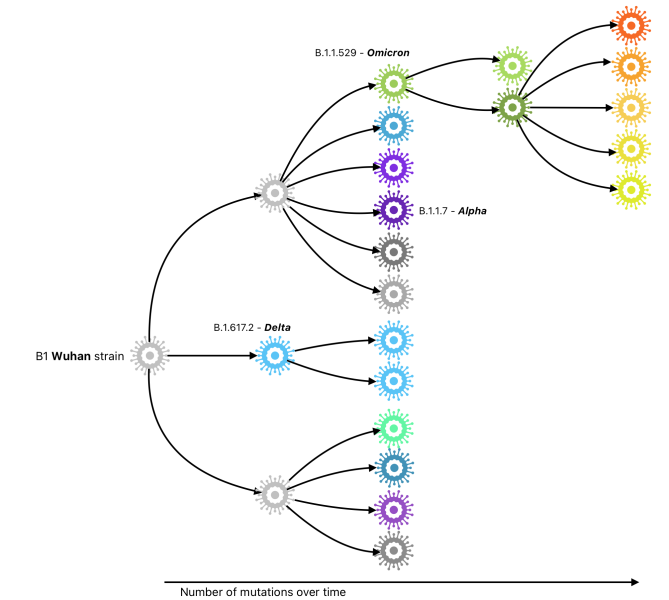
Students should identify silent, missense and nonsense mutations and recognise that missense mutations predominate in viable viral variants. The Δ69–70 deletion demonstrates how mutations affect diagnostic testing. The analysis of amino acid side chains (polar, nonpolar, charged) reveals how mutations alter protein interactions and potentially affect viral infectivity. The solutions for each task can be found in the supplemental materials in the Solution worksheet B.
Discussion points could be:
A detailed explanation for each of these questions can be found in the Discussion answers.
Evaluate the worksheets of your students for accuracy in mutation identification, codon translation, and understanding of structure-function relationships in proteins.
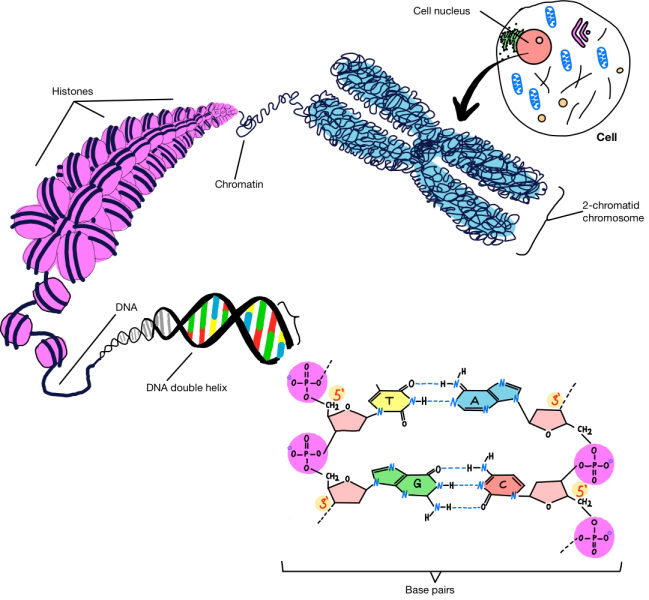
This exercise teaches students how to design DNA primers for PCR applications. Students will learn about DNA structure and base pairing rules as well as calculate primer specificity and melting temperatures using mathematical formulas.
Part 1: Understanding primer specificity
Part 2: Calculating melting temperature
Students should find that 8-nucleotide primers have too many potential binding sites, while 17+ nucleotide primers are sufficiently specific. The solutions for each task can be found in the supplemental materials in the Solution worksheet C and the answers to the discussion points in the Discussion answer.
This article could not have been written without the funding of the Joachim Herz Foundation (https://www.joachim-herz-stiftung.de/en/), who funded the work of Anusha Veena and the materials used. I would like to especially thank Anusha Veena for her work and input in creating these activities together with Sarah Aretz and Arwen Cross from the European XFEL GmbH.
[1] Ilyichev AA et al. (2020) mRNA technology as one of the promising platforms for the SARS-CoV-2 vaccine development. Vavilovskii Zhurnal Genet Selektsii 24: 802–807. doi: 10.18699/VJ20.676
[2] Mentes A et al. (2022) Identification of mutations in SARS-CoV-2 PCR primer regions. Sci Rep. 12:18651. doi: 10.1038/s41598-022-21953-3
[3] Franziska Hufsky et al. (2022) Computational strategies to combat COVID-19: useful tools to accelerate SARS-CoV-2 and coronavirus research. Briefings in Bioinformatics 22: 642–663. doi: 10.1093/bib/bbaa232
[4] García-Machorro J et al. (2022) The Advantage of Using Immunoinformatic Tools on Vaccine Design and Development for Coronavirus. Vaccines 10: 1844. doi: 10.3390/vaccines10111844
[5] Sebastian Günther et al.(2021) X-ray screening identifies active site and allosteric inhibitors of SARS-CoV-2 main protease. Science 372: 642-646. doi: 10.1126/science.abf7945
[6] Lewitter F, Bourne PE (2011) Teaching bioinformatics at the secondary school level. PLoS Comput Biol. 10: e1002242. doi: 10.1371/journal.pcbi.1002242

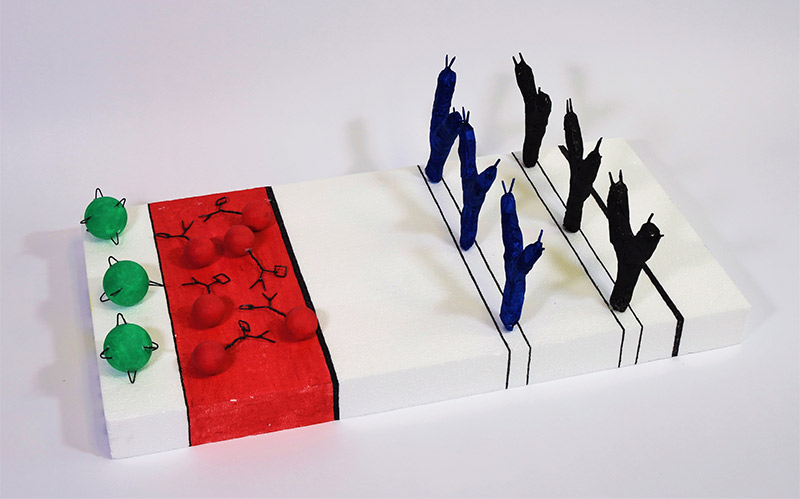
Fighting fake facts: When a Covid test shows a positive result with cola, does testing make sense? To answer this, one must understand how antigen…


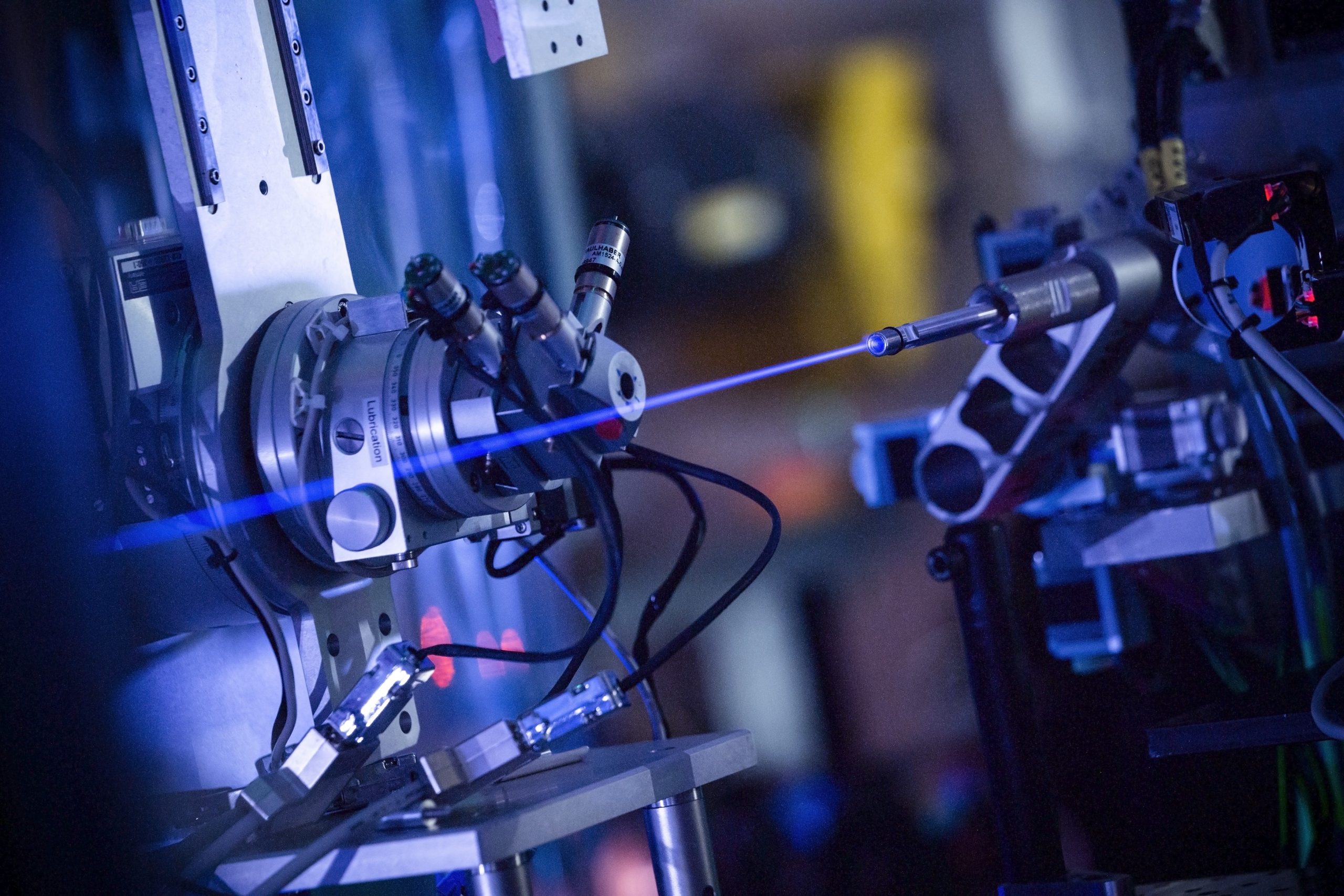
X-ray light does not only enable us to look at our bones, it also helps scientists to analyse tiny molecules that make up all living things.

Hit me with your best shot: Vaccines have taken centre stage in the COVID-19 pandemic. What are the different types and how do they…


