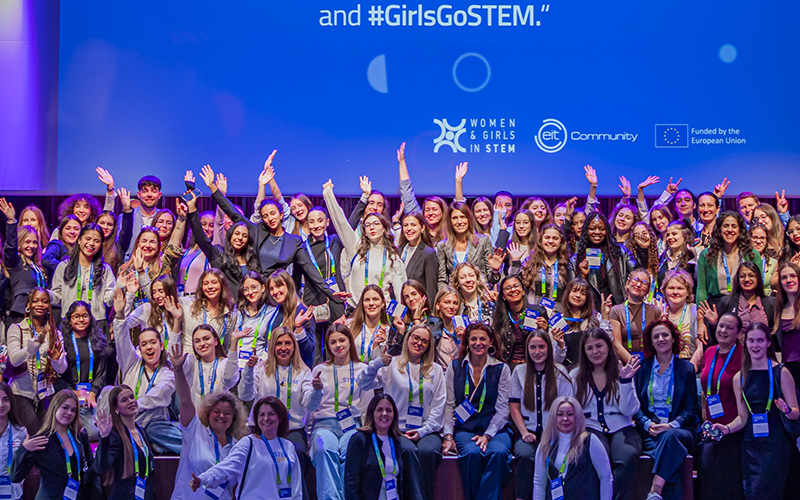
Girls Go STEM: teachers shaping girls’ STEM journeys
June 11, 2026 | Issue 78Teachers are central to any effort to get more girls interested in STEM. Yet supporting them often comes second to supporting the students.



Teachers are central to any effort to get more girls interested in STEM. Yet supporting them often comes second to supporting the students.
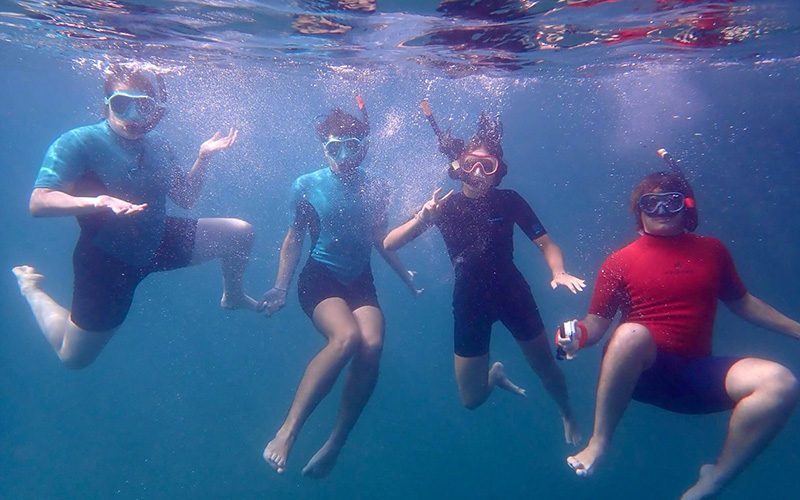
What does becoming a Blue School look like? Three European projects show how students investigate water and ocean issues.
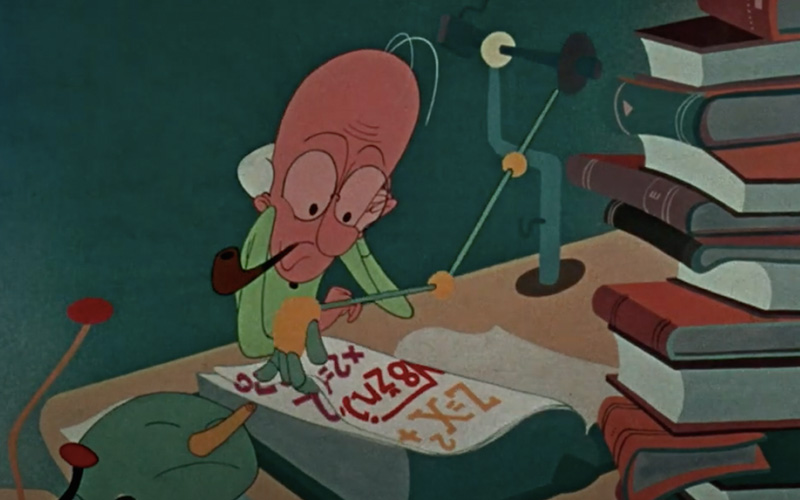
Cartoons are fun to watch but can also help inspire students and enhance their understanding of science. Here’s how to do that with some classics of European animation.
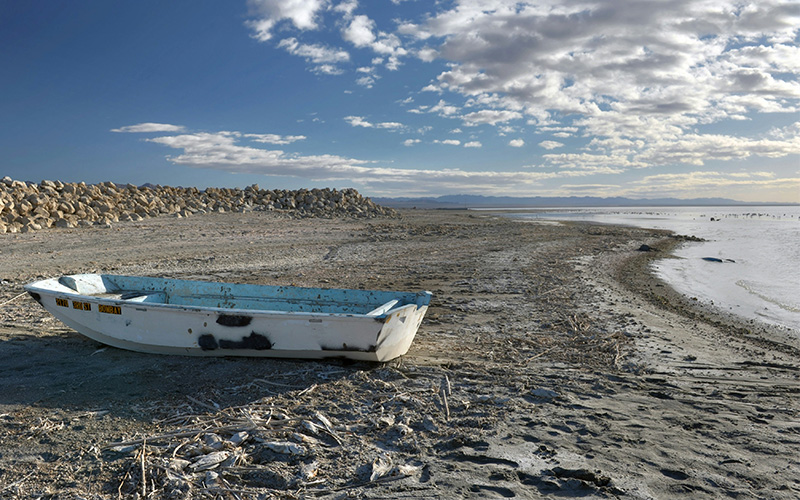
Most people know that the Moon and the Sun cause the tides, but few understand why we get two high tides each day, or why a tidal bulge forms on the opposite side of the Earth from the Moon.
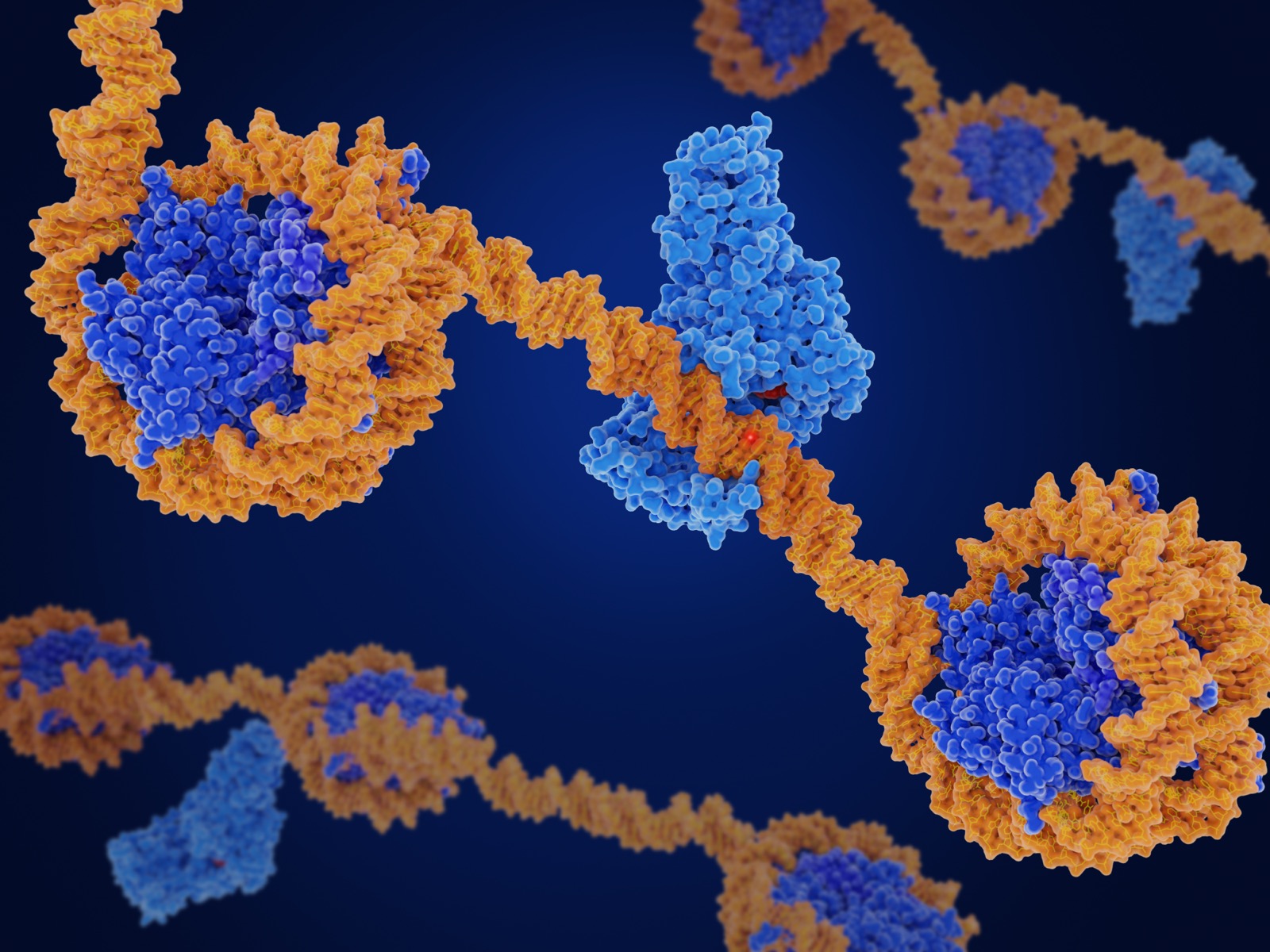
Our DNA is the blueprint of life, but epigenetics interprets how it is read. Learn how epigenetics controls our genes, enables life and shapes who we are.
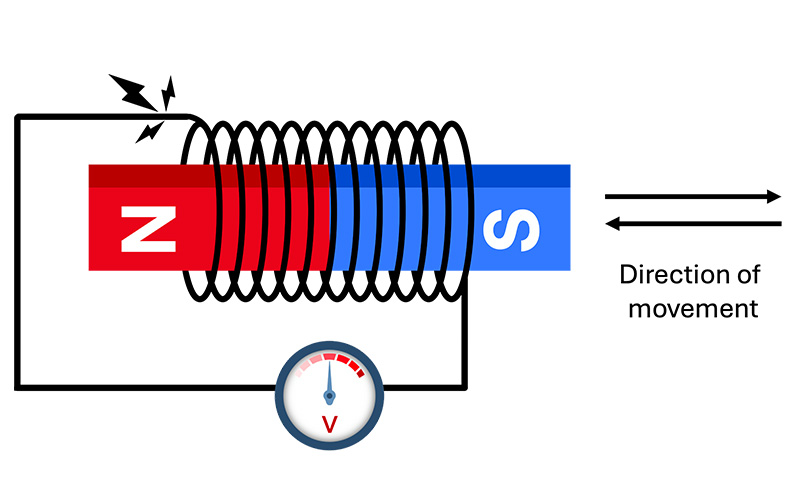
Three simple experiments illustrating Faraday’s law of induction and the different ways induced currents may be generated.
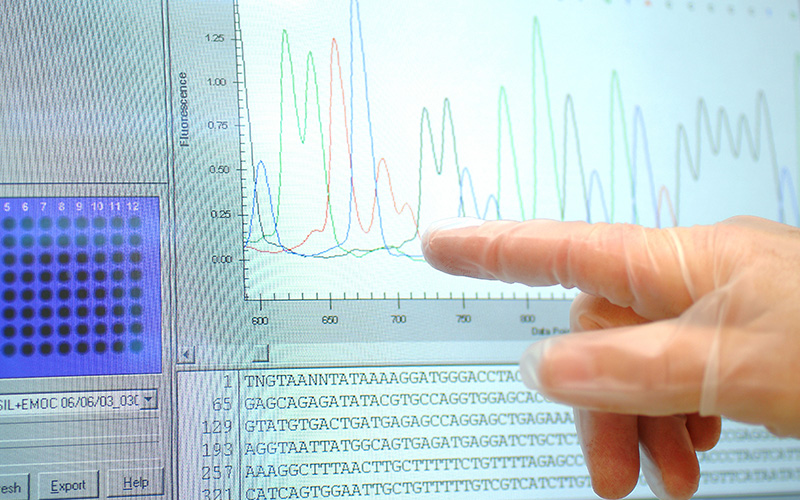
DNA-based methods such as PCR, gel electrophoresis and bioinformatics, provide a practical insight into virus research for students – applicable to COVID-19, bird flu and others.
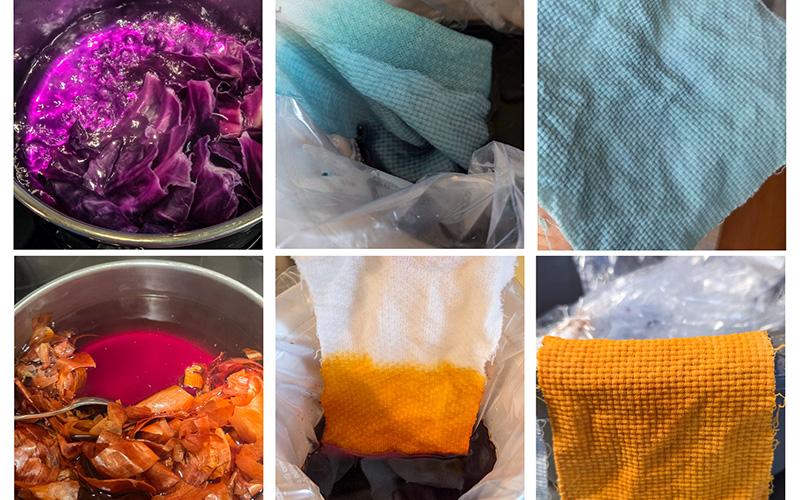
Towards sustainable and circular fashion: learn about different textiles, their characteristics, and how to identify and dye them using natural ingredients.
To mark Science in School’s 20th anniversary, we are launching a student writing competition inviting young people to explore the topic of sustainable and resilient tourism.