Self-healing aircraft wings: a dream or a possibility?
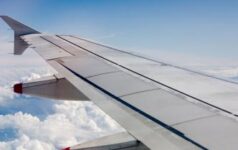
Taking inspiration from nature’s amazing ability to heal wounds, this biology-inspired technology could create aircraft wings that fix themselves.
Showing 10 results from a total of 121
Taking inspiration from nature’s amazing ability to heal wounds, this biology-inspired technology could create aircraft wings that fix themselves.
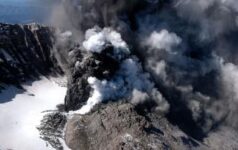
Using effervescent heartburn tablets, model the action of volcanoes to measure the intensity of the explosions and create your own measurement scale.
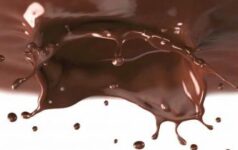
Teaching viscosity can be sweetened by using chocolate.
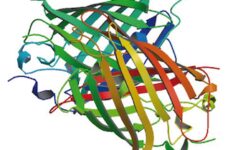
Learn how fluorescent biosensors can monitor the chemistry inside living cells.
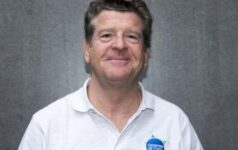
Bruno Pin can go a long way to find new methods of making science meaningful to his students.
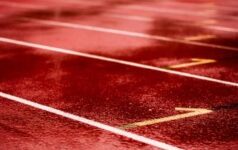
When we watch elite runners breaking world records, we rarely think about the chemistry and physics of the running tracks.
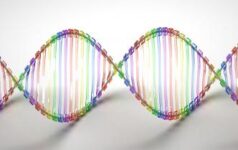
Get your students to crack the genetic code for themselves.
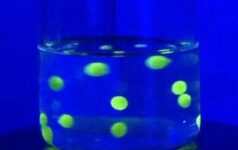
Alginate bubbles are useful in chemistry lessons as well as in molecular gastronomy.
To mark the 10th anniversary of the journal, we are hosting a virtual party. Join in by using some of our articles to teach science with a festive twist.
Self-healing aircraft wings: a dream or a possibility?
Measuring the explosiveness of a volcanic eruption
Melts in your viscometer, not in your hand
Cellular redox – living chemistry
Bruno Pin: a lifetime of sharing knowledge
On track: technology for runners
Cracking the genetic code: replicating a scientific discovery
Molecular gastronomy in the chemistry classroom
Ten years: time to celebrate