Project Earth: empowering young people to build a better world
Project Earth supports students to innovate for the planet with expert advisors and ‘Pitch for the Planet'. Take part!
Showing 10 results from a total of 716
Project Earth supports students to innovate for the planet with expert advisors and ‘Pitch for the Planet'. Take part!
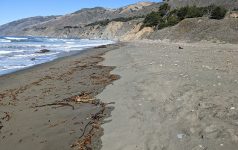
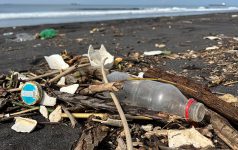
Every tide tells a story. Discover how waves, shells, and even litter reveal clues about marine life and our shared connection with nature.
Turn a beach visit into a science adventure! Explore the animals, plants, shells, and even litter stranded on the beach to reveal the secrets of marine life and ocean dynamics.
Travel back to ancient Rome, test the calcium content of a gladiator recovery drink and compare it to today’s milk and sports drinks. History has never tasted this real!
Oscillating reactions: an unusual and fascinating topic to explore.
How to teach radioactive decay and radioisotopes to students who feel that equations are boring? Here are two inexpensive and captivating activities to apply in your classroom!
Meet antimatter – nature’s invisible twin that could explain our existence and inspire our wildest stories.
How tiny quantum particles dig into the mysteries of future materials.
Spice up your physics lessons and show your students the tremendous impact of physics research on medical innovations.
Zinc is an important trace element for plants and animals alike. Learn how nanoparticles could supply zinc to crops without having to add it to the soil.
Project Earth: empowering young people to build a better world
Sandy beaches: connecting land, ocean, and humans
Sandy beaches: the window to the ocean
Ashes and abs: testing calcium in gladiator tonic
Let’s make a chemical clock
Teach radioisotopes and decay interdisciplinarily at a low cost
Five things that matter about antimatter
Neutron science: a quantum story
How physics saves lives: Interdisciplinarity drives research
X-rays shed light on enhancing zinc uptake in pepper plants