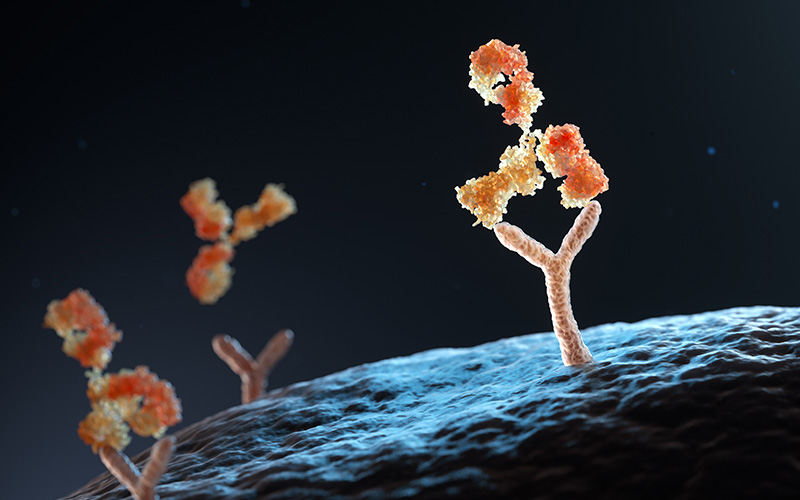
Molecular mimicry in the AI era: teaching the universal architecture of deception
Discover how pathogens use molecular mimicry to hide from immunity, and how generative AI turns the tables by designing synthetic decoys.



Science in School News
Introduction Matter is conventionally classified into three fundamental states: solids, liquids, and gases. Nevertheless, it is clear that there are some materials that do not fit perfectly into only one category, and Activity 1 encourages students to explore this. One material that does not fit…
Read more
Discover how pathogens use molecular mimicry to hide from immunity, and how generative AI turns the tables by designing synthetic decoys.
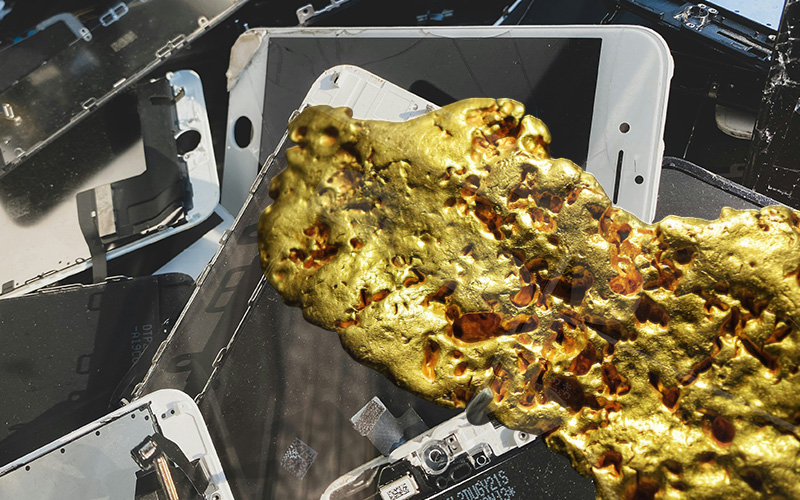
Wondering how to extract gold from mobile phones in a school lab? Explore one of the activities from the project Recycle Your Mobile Phone To Save The Planet.

Where does plastic go when we can no longer see it? Follow one plastic bag as it crumbles into invisible particles and see where it ends up.
We cover a wide range of scientific topics and many articles are additionally available as translations in different European languages.

Explore cutting-edge science and real-world applications.

Discover projects, people, and resources.

Find ideas and teaching materials for classroom activities.
Articles from previous issues
Dionisios Karounias, Evanthia Papanikolaou and Athanasios Psarreas, from Greece, describe their innovative model of the DNA double helix – using…



Giuseppe Zaccai from the Institut Laue-Langevin (ILL) in Grenoble, France, describes how he and his co-workers have uncovered a way to explore water…


A string of glucose molecules: starch. It sounds simple, but it isn’t. Dominique Cornuéjols and Serge Pérez explore the intricacies of its…


Discover free events and activities offered by the EIROforum members and other non-profit groups.
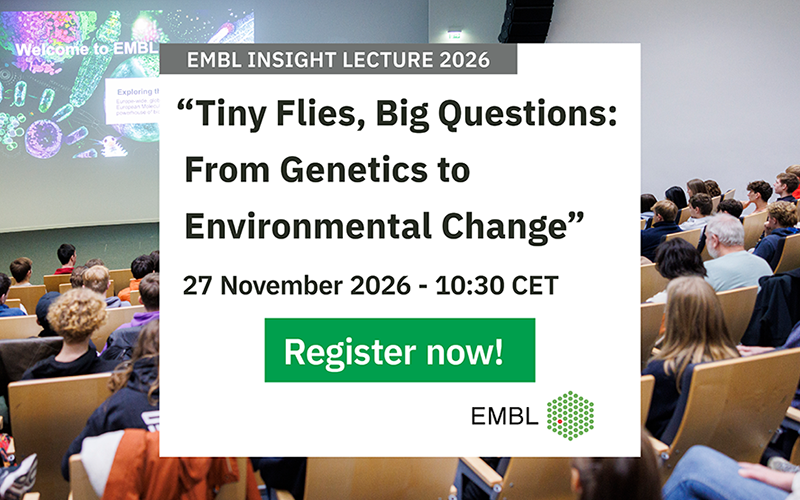
Bring cutting-edge biology to your classroom! On 27 November, 10:30-12:00 CET, Dr. Justin Crocker reveals how fruit flies help scientists uncover the effects of environmental chemicals on insects. For students aged 15+. Register your class…

Join EMBL’s free, self-paced online course on CRISPR-Cas9 anytime between 26 October and 6 December 2026! Designed for educators and science enthusiasts, it features scientific talks and teaching resources. Course…
Do you have an engaging classroom activity to share with other teachers? Is there an interesting scientific topic that you could explain to STEM teachers and their students? We welcome submissions from teachers and scientists.
Would you like to help ensure that our content is interesting, inspiring and useful to STEM teachers? Consider joining the Science in School teacher reviewer panel. There is no obligation; just send us an email to express your interest.
If you find an article interesting or useful, perhaps you'd consider translating it into your native language? This really helps to increase the reach of our content so that as many teachers as possible can benefit from it.