Supporting materials
Download
Download this article as a PDF



Explore Mars in the classroom through accessible experiments with Artemia, linking astrobiology, aquatic ecology, light responses, and scientific inquiry.
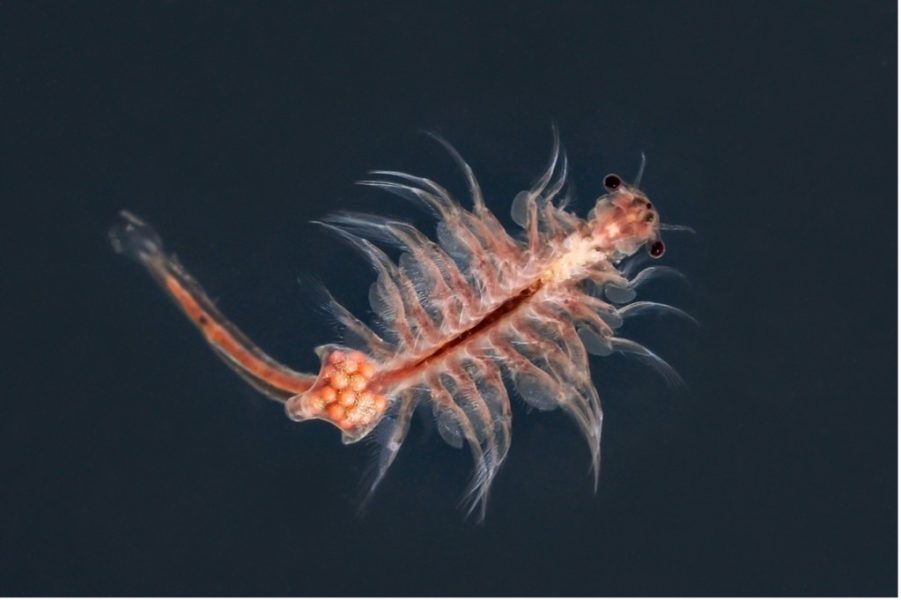
Brine shrimp are small crustaceans of the genus Artemia that live in saline habitats such as salt pans, coastal lagoons, and salt lakes.[1,2] These environments often dry out completely during the hottest season,[3] but as true extremophiles, Artemia are remarkably well adapted to survive conditions that would be lethal to most organisms. This includes prolonged desiccation and exceptionally high salinity, making them valuable model organisms in scientific research across multiple disciplines.[1] Brine shrimp thrive in hypersaline conditions, with salinities ranging from around 3% to over 10%, which excludes most predators. As a result, only a limited range of algae and bacteria can survive alongside them. Among the several species of brine shrimp, the most studied and widely used are Artemia salina and Artemia franciscana,[4] which are widely available, inexpensive, and easy to culture. Learn more in the Artemia info sheet and find out how to grow them.
Built to last: Artemia cysts can be stored for years at room temperature and still hatch successfully.[1]
Upside-down swimmers: Artemia (adults) swim with their ventral side facing upwards, using rhythmic movements of their thoracic appendages.[5]
A red secret: Artemia have haemoglobin in their blood, an adaptation that helps them survive in low-oxygen environments.[6]
Tiny astronauts: Artemia cysts flew on the Apollo 16 and 17 missions, where they were used to investigate the effects of radiation on development.[7,8]
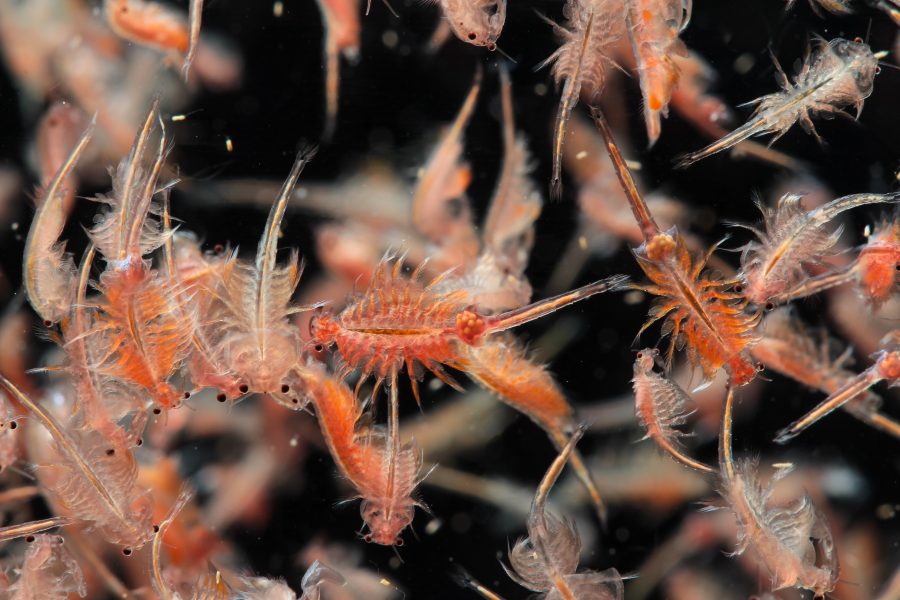
Using living organisms as biological models in science classrooms offers learning opportunities that virtual simulations cannot fully replicate. Although digital tools are valuable for visualising complex processes, hands-on work provides direct experience of biological responses, natural variation and the unpredictability of living systems. Evidence suggests that hands-on and virtual laboratories offer complementary benefits, with their combined use supporting conceptual understanding and inquiry skills more effectively than virtual environments alone.[9,10] Live models also help students to reconnect with natural environments by providing concrete encounters with living systems and their interactions within habitats. This promotes ecological literacy and an appreciation of biodiversity,[3,11] strengthening students’ understanding of biology and fostering a more meaningful relationship with the natural world.
Atmosphere: 95% CO₂, 3% N₂ and 2% Ar; surface pressure is less than 1% of Earth’s sea-level pressure[12]
Temperature: surface temperatures vary widely, from approximately −125°C to 20°C, depending on location and season[12]
Water: found mainly in the polar regions and buried beneath the surface[13]
Soil: mainly basaltic, containing a range of minerals and salts, including sulphates, chlorides and perchlorates[14]
Space agencies are increasingly interested in understanding how simple organisms cope with extreme environments, as this knowledge can inform future attempts to establish biological systems beyond our planet.[8] Artemia are particularly suitable for such investigations because their cysts can survive harsh conditions and hatch when placed in favourable environments,[15] meaning they would likely survive a journey to Mars and could potentially be stored safely under Mars-like environmental stresses. They are also essential in global aquaculture, where newly hatched Artemia nauplii are used as a high-quality live feed for fish larvae.[1,4] This suggests that, in future human colonies on Mars or other planets, Artemia nauplii could likewise support small-scale aquaculture systems, helping to establish reliable food production.
In this activity, students simulate the challenges of colonising Mars by examining how Artemia responds to environmental conditions that reflect those expected on the ‘Red Planet’. By analysing hatching success across different salinities, students explore key ecological principles while carrying out an authentic scientific investigation. At the end of the activity, each group evaluates whether their assigned ‘Martian habitat’ could support the establishment of an initial Artemia population.
The activity is suitable for students aged 11–16 and will take two short lessons (+ 24–48 h incubation).
Artemia cysts may cause respiratory irritation or allergic reactions when inhaled, so avoid creating dust when handling them. Dispose cultures and biological material according to local environmental regulations. Do not release Artemia, cysts or culture water into natural aquatic environments, as they may affect local ecosystems.
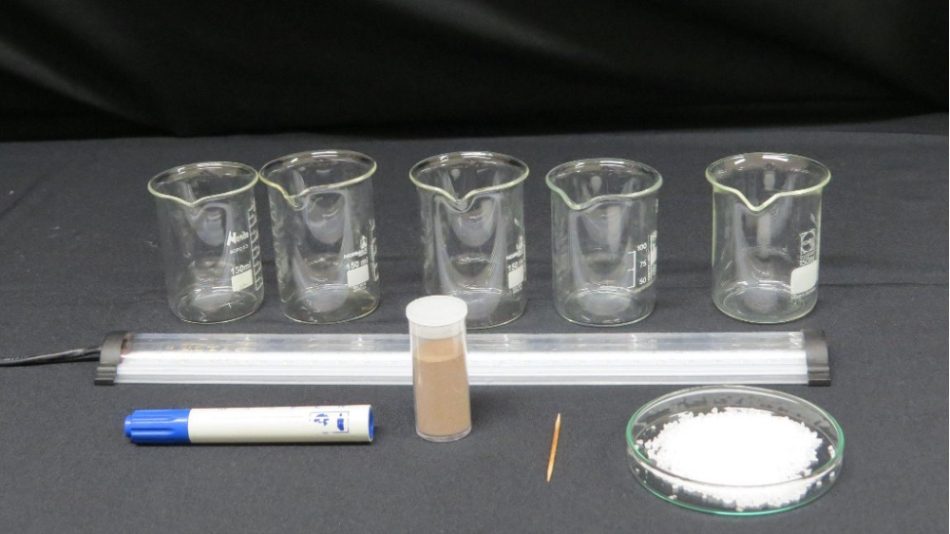
Prepare the Martian habitats
Once the hatching results have been recorded, students can use the following questions to interpret their data and connect the experiment to wider astrobiological ideas. The discussion encourages them to consider not only which salinity favoured hatching, but also what living organisms would need to survive, grow, reproduce and contribute to a future closed habitat beyond Earth.
Sample answers can be found on the Activity 1 answer sheet in the supporting material.
How might future astronauts produce oxygen, recycle waste and sustain food webs on Mars? One possible solution lies in bioregenerative life-support systems, which use living organisms to recycle essential resources. In this activity, students build a simple ecosystem in a bottle inspired by these systems. By following the movement of matter and energy through the system, students discover the principles that allow closed ecological systems to function. They also explore how small, self-sustaining biological communities might one day contribute to supporting human life on Mars. In doing so, the activity not only introduces ideas relevant to future space exploration but also deepens students’ understanding of ecosystems and highlights the importance of protecting life-supporting systems here on Earth.
By simulating a salt lake, a 1.5 l bottle becomes a miniature model of the Earth’s biosphere, containing algae as primary producers, Artemia as consumers, and bacteria and fungi as decomposers.[5] The bottle ecosystem lets students of all ages explore key ecological concepts, such as energy flow and nutrient cycling, through hands-on experimentation. Beyond teaching science, this project encourages students to understand, respect, and help protect animals and the ecosystems they inhabit.
This activity is designed for students aged 11–14 and requires about 30–45 minutes of class time to get started.
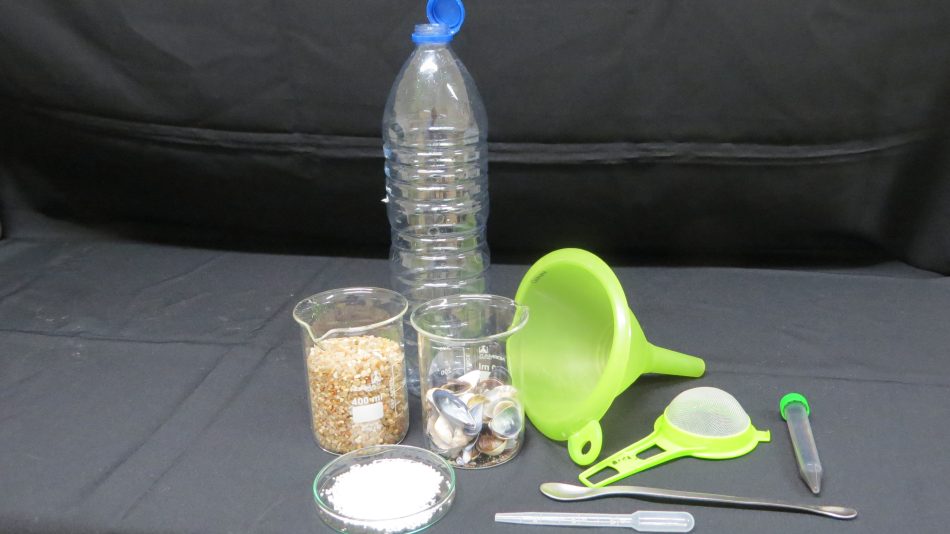
Constructing a bottle ecosystem for Martian life-support studies
Maintaining a Martian life-support System
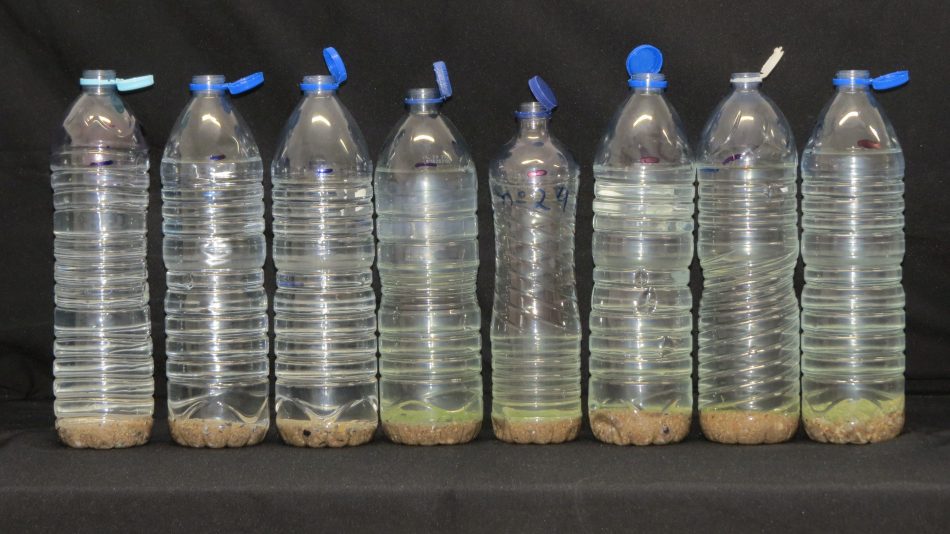
Discuss the following questions. Sample answers can be found on the Activity 2 answer sheet in the supporting material.
Marine environments are vast, dynamic and complex, posing significant challenges for the release and perception of sensory information that differ significantly from their terrestrial counterparts. Light is a critical factor in providing directionality within the water column, enabling diurnal migration and larval dispersal via currents. This principle is reflected in the phototactic behaviour of Artemia nauplii, which use light stimuli to orientate their ventral side and adjust their vertical distribution within their habitat.[16]
In Mars habitats, light would be a controlled design tool, not just an environmental factor. By studying phototaxis, students explore how light could help manage the distribution, feeding and stability of organisms in closed aquatic life-support systems beyond Earth.
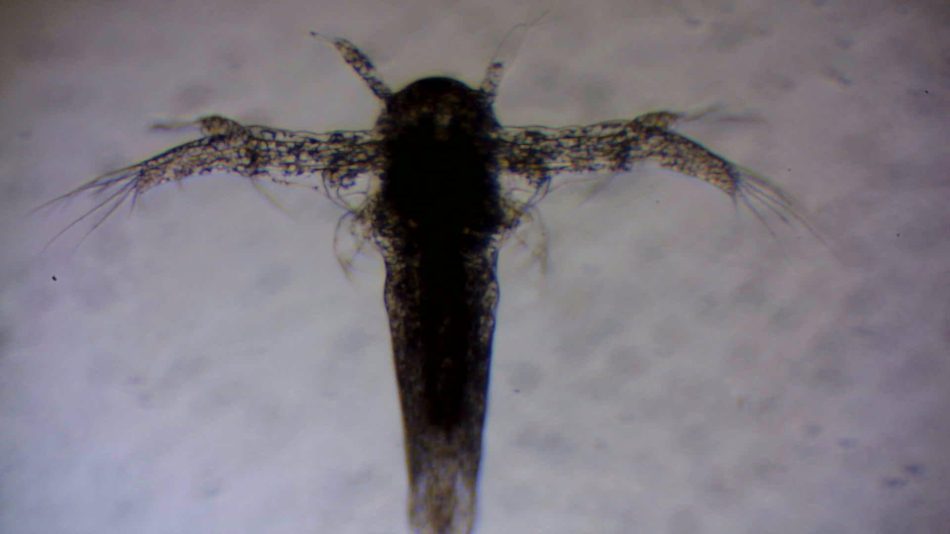
Testing Artemia response to light
Discuss the following questions. Example answers can be found on the Activity 3 answer sheet in the supporting material.
[1] Tiong I et al. (2024) Artemia as a model organism in stress response studies: current progress and future prospects. Marine Biology 172: 16. doi: 10.1007/s00227-024-04569-1
[2] Lenormand T et al. (2017) Resurrection ecology in Artemia. Evolutionary Applications 11: 76–87. doi: 10.1111/eva.12522
[3] Tomkins S (2000) A review of the use of the brine shrimp, Artemict spp, for teaching practical biology in schools and colleges. Journal of Biological Education 34: 117–122. doi: 10.1080/00219266.2000.9655700
[4] Azra M et al. (2022) Trends and New Developments in Artemia Research. Animals 12: 2321. doi: 10.3390/ani12182321
[5] Dockery M, Tomkins S (2000) Brine Shrimp Ecology. A classroom-based introduction to ECOLOGY. The British Ecological Society. ISBN: 1900579103
[6] Van Stappen G (1996) Artemia. In Lavens P, Sorgeloos P (eds) Manual on the production and use of live food for aquaculture. FAO Fisheries Technical Paper. ISBN: 92-5-103934-8
[7] Rüther W et al. (1974) Preliminary results on the action of cosmic heavy ions on the development of eggs of Artemia salina. Life Sciences and Space Research 12: 81–85. doi: 10.1016/B978-0-08-021783-3.50013-1
[8] Rabbow E et al. (2017) EXPOSE-R2: The astrobiological ESA mission on board of the International Space Station. Frontiers in Microbiology 8: 1533.10.3389/fmicb.2017.01533
[9] Kapici HO, Akcay H, de Jong T (2019) Using hands-on and virtual laboratories alone or together—which works better for acquiring knowledge and skills? Journal of Science Education and Technology 28: 231–250: doi: 10.1007/s10956-018-9762-0
[10] Wörner S (2022) The Best of Two Worlds: A Systematic Review on Combining Real and Virtual Experiments in Science Education. Review of Educational Research 92: 911–952. doi: 10.3102/00346543221079417
[11] Oje O et al. (2021) Work in Progress: The Effects of Hands-on Learning on STEM Students’ Motivation and Self-efficacy: A Meta-Analysis. ASEE Annual Conference. doi: 10.18260/1-2–38204
[12] Martinez GM et al (2017) The Modern Near-Surface Martian Climate: A Review of In-situ Meteorological Data from Viking to Curiosity. Space Science Reviews 212: 295–338. doi: 10.1007/s11214-017-0360-x
[13] Wray JJ (2021) Contemporary Liquid Water on Mars? Annual Review of Earth and Planetary Sciences 49: 141–171. doi: 10.1146/annurev-earth-072420-071823
[14] Ehlmann BL, Edwards CS (2014) Mineralogy of the Martian Surface. Annual Review of Earth and Planetary Sciences 42: 291–315. doi: 10.1146/annurev-earth-060313-055024
[15] Alekseev V et al. (2022) Effect of space flight factor on dormant stages in aquatic organisms. A Review of International Space Station and Terrestrial Experiments. Life 12: 47. doi: 10.3390/life12010047
[16] van Giesen L (2026) Sensory behaviors in marine organisms. Current Opinion in Neurobiology 98: 103197. doi: 10.1016/j.conb.2026.10319
This article serves as a compelling interdisciplinary bridge between terrestrial ecology and space science. Teachers can utilise the “Mars in a Bottle” project as a long-term, inquiry-based activity to explore systems thinking, illustrating the complex interdependencies between the geosphere, atmosphere, biosphere, and hydrosphere. By framing Artemia as a model colonist, the activities allow students to move beyond standard biological observations and engage with the real-world engineering challenges of bioregenerative life-support systems designed for future Martian habitats. The material also provides a rich platform for bioethical and environmental discussions in the classroom. The historical context of Artemia participating in the Apollo missions and their foundational role in global aquaculture allows teachers to effectively link biology to history, economics, and ethics. Furthermore, the project presents a vital opportunity to foster environmental responsibility by implementing strict disposal protocols and by leading significant discussions on the ecological risks associated with invasive species and the critical importance of planetary protection.
Sofia Liampoti, 5th Model Gymnasium of Chalkida, Greece
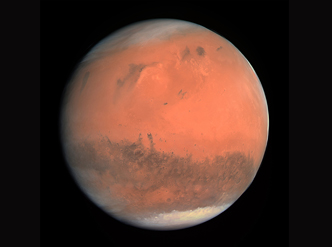
One of the scientists’ main interests in Mars research is water. Is there water on…


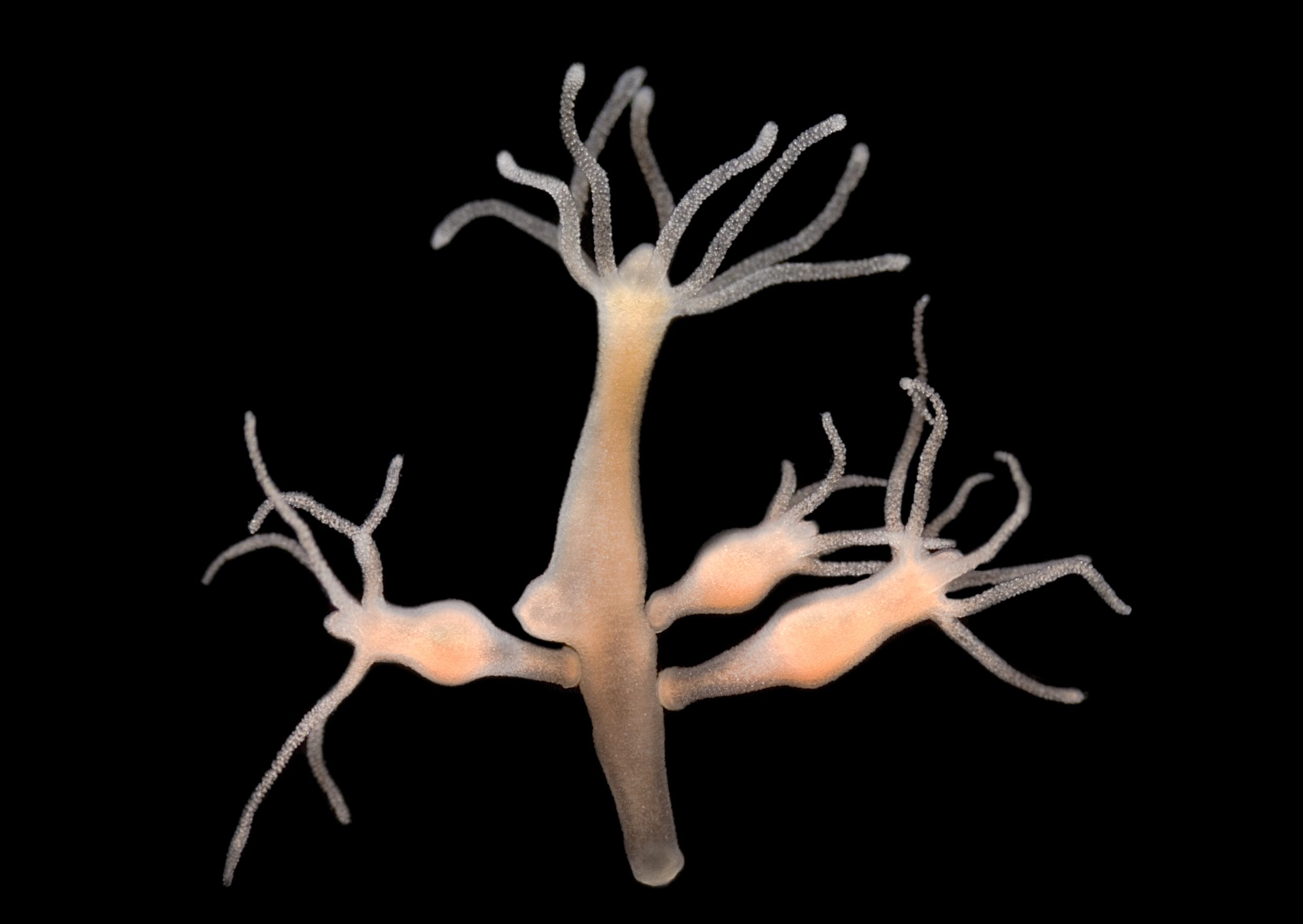
Amazing Hydra: A spineless creature with astounding regenerative properties that can adapt to changing environments.
Meet the planarian, a fascinating flatworm with incredible biological abilities and unique and surprising ways to respond to various stimuli.