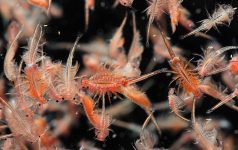
Martian habitats in the classroom: testing Artemia
Explore Mars in the classroom through accessible experiments with Artemia, linking astrobiology, aquatic ecology, light responses, and scientific inquiry.
Showing 5 results from a total of 5
Explore Mars in the classroom through accessible experiments with Artemia, linking astrobiology, aquatic ecology, light responses, and scientific inquiry.
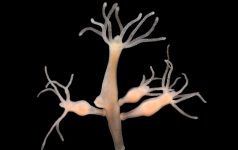
Amazing Hydra: A spineless creature with astounding regenerative properties that can adapt to changing environments.
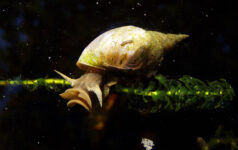
Using pond snails as a low-cost, hands-on model to teach biology and environmental science in secondary schools.
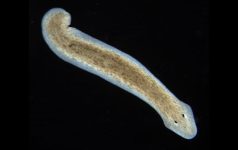
Meet the planarian, a fascinating flatworm with incredible biological abilities and unique and surprising ways to respond to various stimuli.
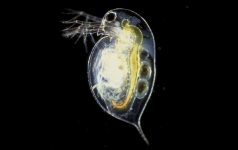
How do social drugs affect metabolism? How is toxicity measured? How does climate change affect water ecosystems? Promote active learning by investigating these questions with Daphnia.
Martian habitats in the classroom: testing Artemia
Measuring is believing: quantifying adaptation behaviour of Hydra
Snail-powered science: hands-on biology for active classrooms
Hands-on experiments with planaria
From drugs to climate change: hands-on experiments with Daphnia as a model organism