
Open research in the classroom
Science is becoming increasingly open. In this article, we show you how to make use of this and bring authentic research into the classroom.



Science in School News
The submissions for this competition are closed. We have selected the winners among ~ 150 submissions! All participants should have received an email informing them whether or not they have been selected. Keep an eye out for the winning articles, which will be published in February 2027. To mark…
Read more
Science is becoming increasingly open. In this article, we show you how to make use of this and bring authentic research into the classroom.
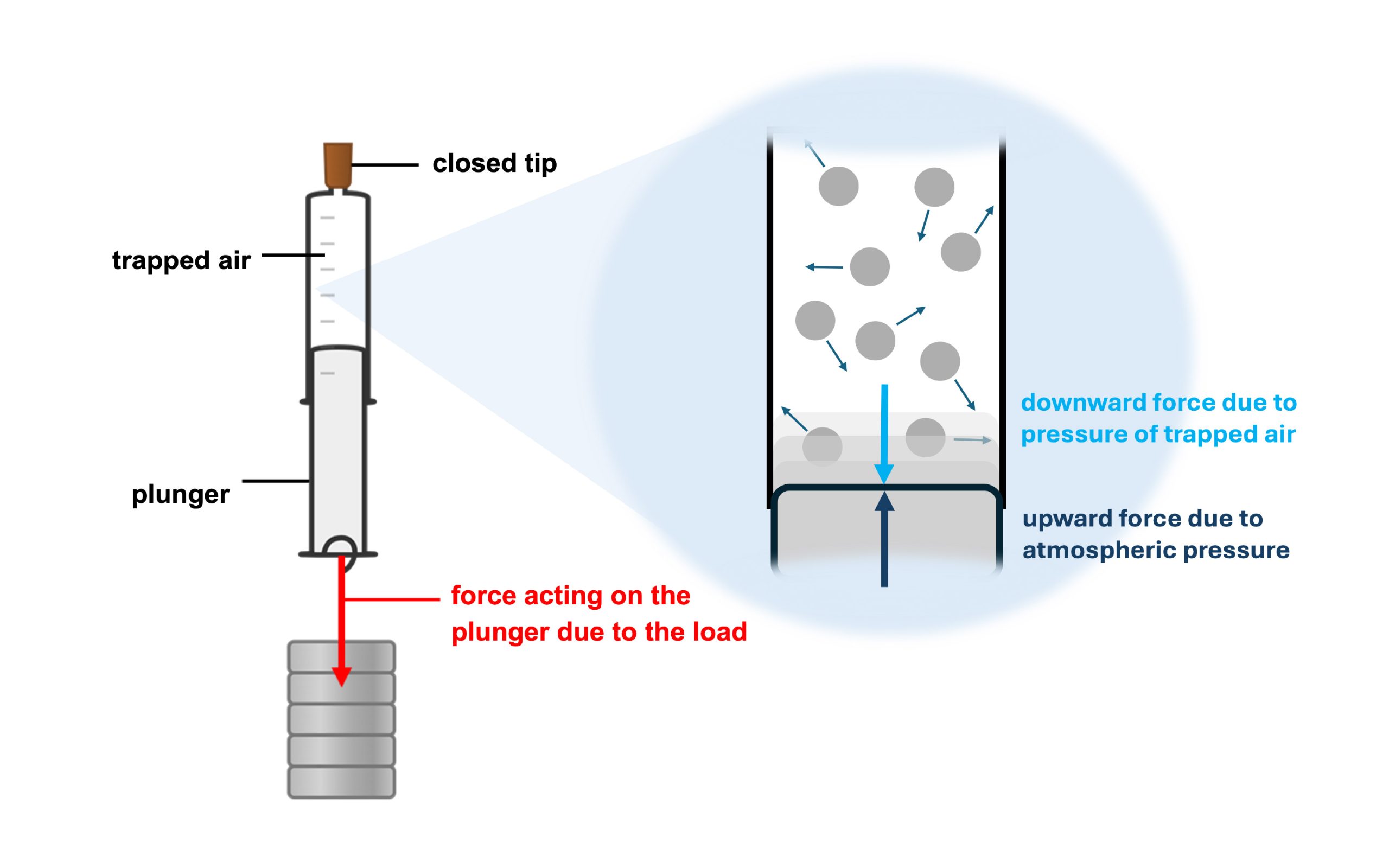
Challenge your students’ misconceptions about suction by using a simple gas syringe to demonstrate the impressive power of atmospheric pressure and pressure differences!

Is our planet, and the life on it, unique? Several projects are being launched and planned to find out.
We cover a wide range of scientific topics and many articles are additionally available as translations in different European languages.

Explore cutting-edge science and real-world applications.

Discover projects, people, and resources.

Find ideas and teaching materials for classroom activities.
Articles from previous issues
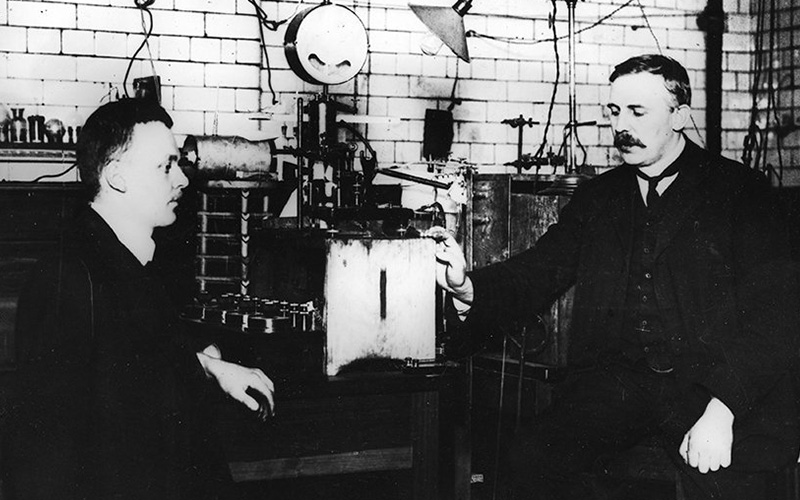
Following Rutherford’s steps to see inside the atom.

Matthew Blakeley from ILL and his colleagues from ESRF and elsewhere have discovered how antifreeze in Arctic fish blood keeps them alive in sub-zero…


What we learnt from the first moon landing, and the curious questions that…
Do you have an engaging classroom activity to share with other teachers? Is there an interesting scientific topic that you could explain to STEM teachers and their students? We welcome submissions from teachers and scientists.
Would you like to help ensure that our content is interesting, inspiring and useful to STEM teachers? Consider joining the Science in School teacher reviewer panel. There is no obligation; just send us an email to express your interest.
If you find an article interesting or useful, perhaps you'd consider translating it into your native language? This really helps to increase the reach of our content so that as many teachers as possible can benefit from it.