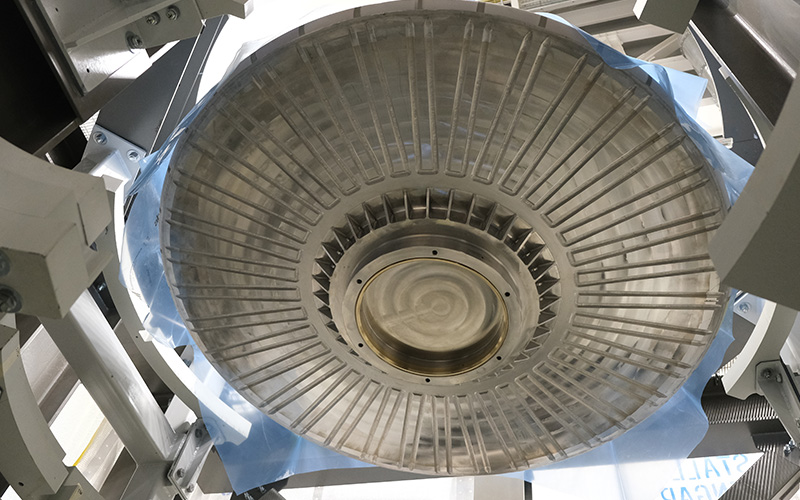
A tungsten brick at the heart of spallation
Heavy metals are…heavy. But why? And why is the particular metal tungsten an integral part of the process of ‘spallation’?



Science in School News
When talking of finite resources, the chemical elements themselves are often overlooked. Learn more about elements in danger.
Read more
Heavy metals are…heavy. But why? And why is the particular metal tungsten an integral part of the process of ‘spallation’?

Read about discovery of light-activated molecular switches that have provided the much-needed tools for taking neuroscience and biology research to the next level.
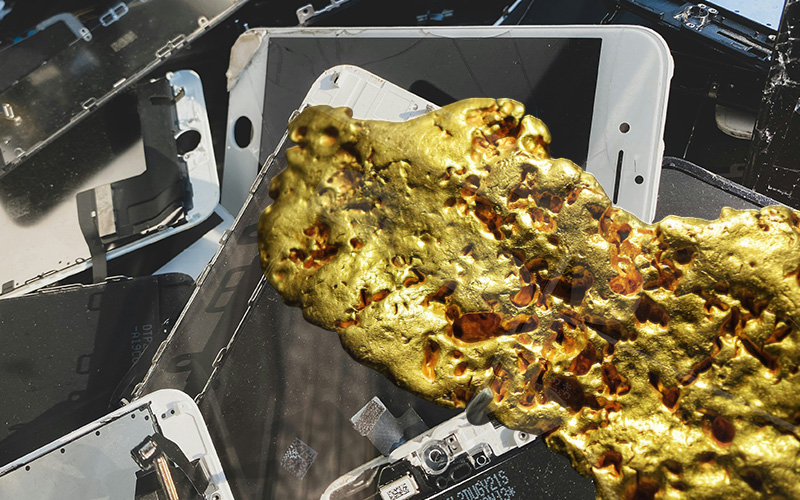
Wondering how to extract gold from mobile phones in a school lab? Explore one of the activities from the project Recycle Your Mobile Phone To Save The Planet.
We cover a wide range of scientific topics and many articles are additionally available as translations in different European languages.

Explore cutting-edge science and real-world applications.
Discover projects, people, and resources.

Find ideas and teaching materials for classroom activities.
Articles from previous issues

Hit me with your best shot: Vaccines have taken centre stage in the COVID-19 pandemic. What are the different types and how do they…


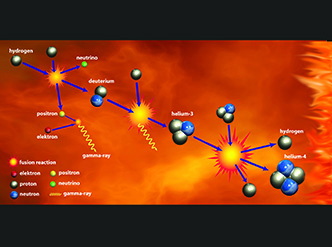
Mark Tiele Westra from the European Fusion Development Agreement (EFDA) in Garching, Germany, elucidates the source of power on Earth: the…


Energy – why is it so important, where do we get it and how much do we use? Gieljan de Vries from the Dutch FOM-Institute for Plasma Physics…

Discover free events and activities offered by the EIROforum members and other non-profit groups.
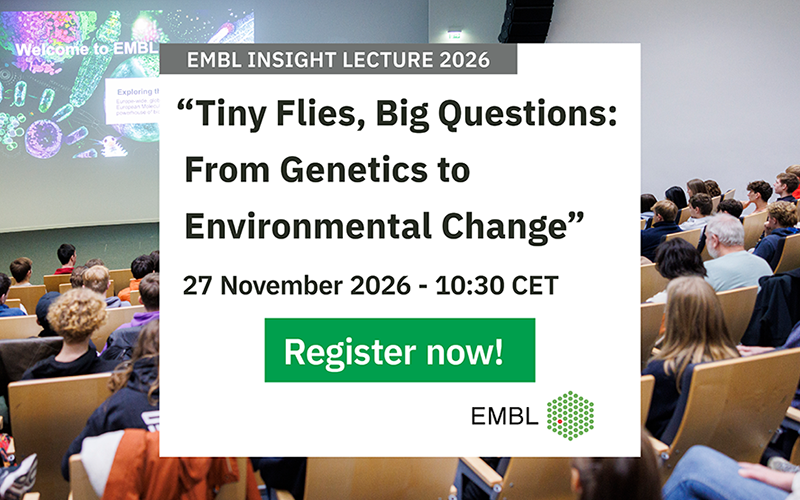
Bring cutting-edge biology to your classroom! On 27 November, 10:30-12:00 CET, Dr. Justin Crocker reveals how fruit flies help scientists uncover the effects of environmental chemicals on insects. For students aged 15+. Register your class…

Join EMBL’s free, self-paced online course on CRISPR-Cas9 anytime between 26 October and 6 December 2026! Designed for educators and science enthusiasts, it features scientific talks and teaching resources. Course…
Do you have an engaging classroom activity to share with other teachers? Is there an interesting scientific topic that you could explain to STEM teachers and their students? We welcome submissions from teachers and scientists.
Would you like to help ensure that our content is interesting, inspiring and useful to STEM teachers? Consider joining the Science in School teacher reviewer panel. There is no obligation; just send us an email to express your interest.
If you find an article interesting or useful, perhaps you'd consider translating it into your native language? This really helps to increase the reach of our content so that as many teachers as possible can benefit from it.