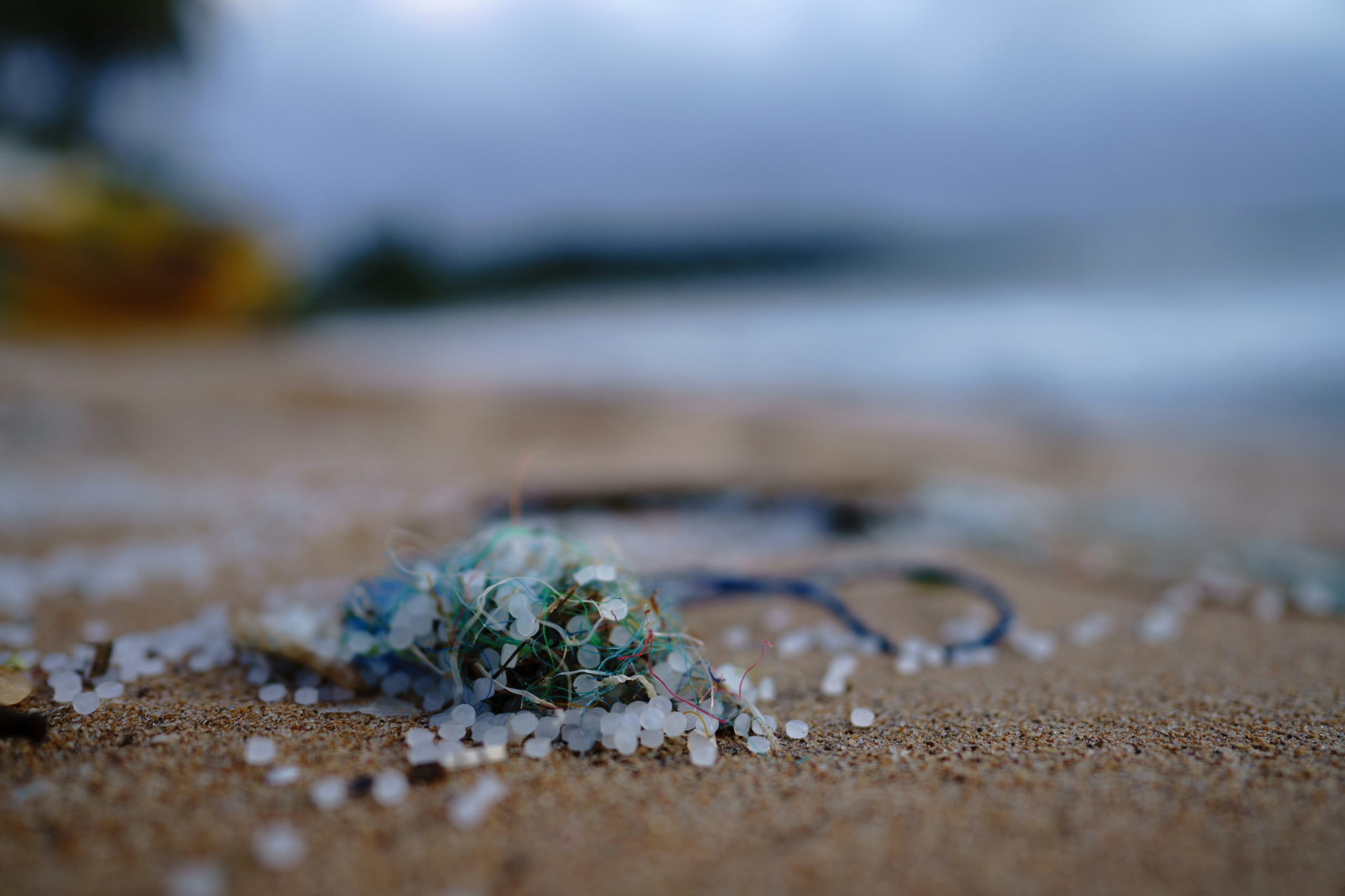
Where does plastic go? The hidden journey of microplastics
Where does plastic go when we can no longer see it? Follow one plastic bag as it crumbles into invisible particles and see where it ends up.



Science in School News
When talking of finite resources, the chemical elements themselves are often overlooked. Learn more about elements in danger.
Read more
Where does plastic go when we can no longer see it? Follow one plastic bag as it crumbles into invisible particles and see where it ends up.
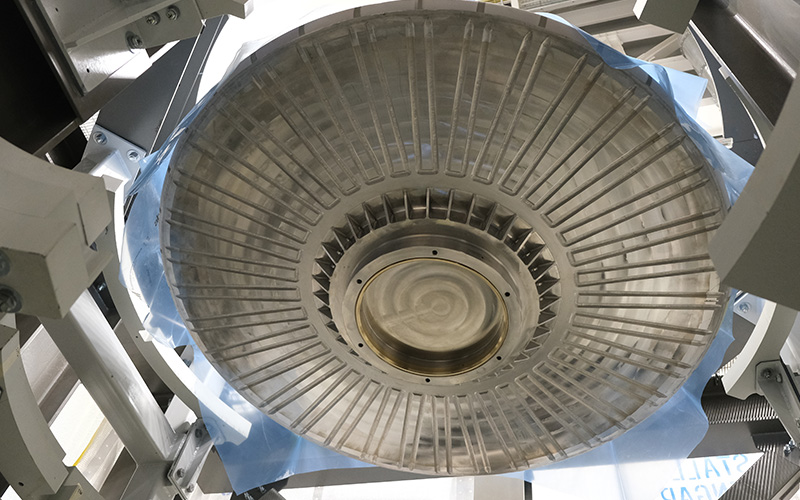
Heavy metals are…heavy. But why? And why is the particular metal tungsten an integral part of the process of ‘spallation’?
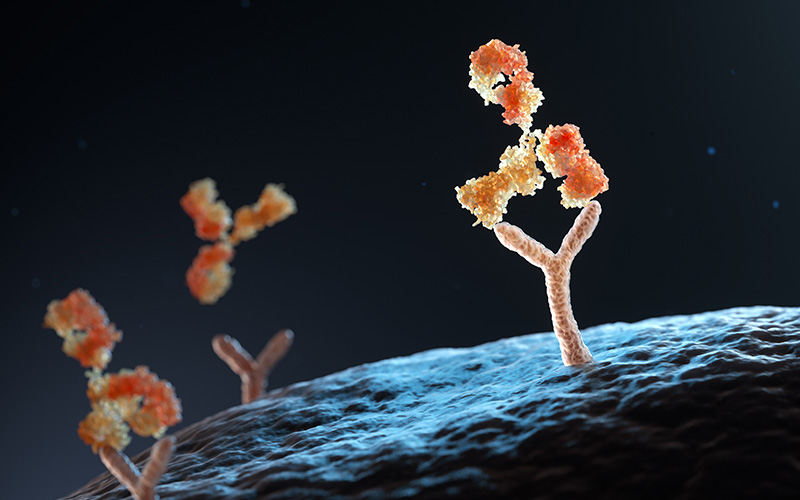
Discover how pathogens use molecular mimicry to hide from immunity, and how generative AI turns the tables by designing synthetic decoys.
We cover a wide range of scientific topics and many articles are additionally available as translations in different European languages.
Explore cutting-edge science and real-world applications.
Discover projects, people, and resources.

Find ideas and teaching materials for classroom activities.
Articles from previous issues

We sit on them, wear them and cook with them: plastics are everywhere. Yet this very versatility makes it difficult to produce and dispose of…


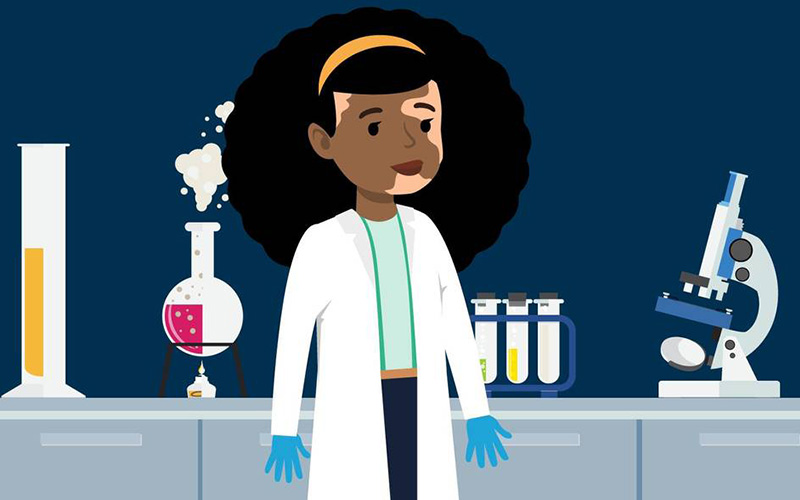
Super (role) models: Use stories about real scientists to inspire, build confidence, and help the next generation of innovators envision their place in STEM.

Bioinformatics is usually done with a powerful computer. With help from Cleopatra Kozlowski, however, you can investigate our primate ancestry –…


Discover free events and activities offered by the EIROforum members and other non-profit groups.
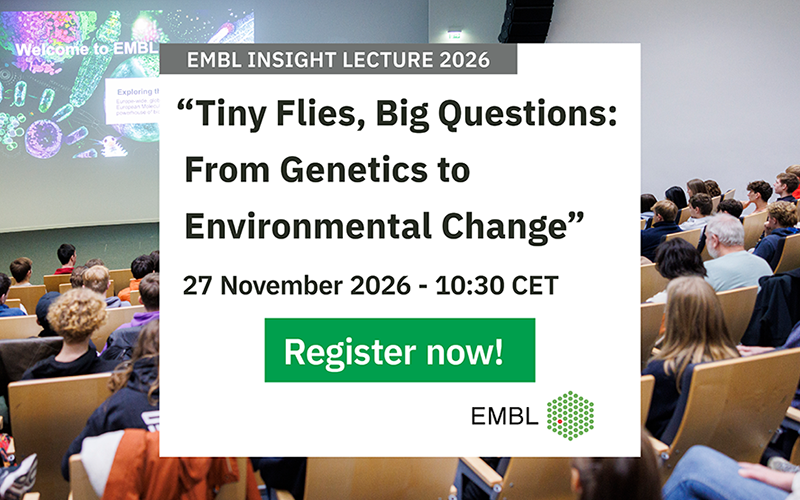
Bring cutting-edge biology to your classroom! On 27 November, 10:30-12:00 CET, Dr. Justin Crocker reveals how fruit flies help scientists uncover the effects of environmental chemicals on insects. For students aged 15+. Register your class…

Join EMBL’s free, self-paced online course on CRISPR-Cas9 anytime between 26 October and 6 December 2026! Designed for educators and science enthusiasts, it features scientific talks and teaching resources. Course…
Do you have an engaging classroom activity to share with other teachers? Is there an interesting scientific topic that you could explain to STEM teachers and their students? We welcome submissions from teachers and scientists.
Would you like to help ensure that our content is interesting, inspiring and useful to STEM teachers? Consider joining the Science in School teacher reviewer panel. There is no obligation; just send us an email to express your interest.
If you find an article interesting or useful, perhaps you'd consider translating it into your native language? This really helps to increase the reach of our content so that as many teachers as possible can benefit from it.