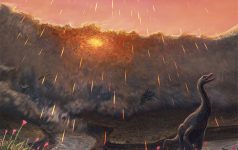
The asteroid that killed the dinosaurs struck Earth during springtime. Scientists have determined this by analyzing the remains of fish that died directly after the impact.
Ages: 14-16, 16-19; Topics: Biology, Chemistry, Earth science, News from the EIROs
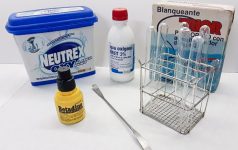
Clearing up chemistry: household products like nail polish remover and laundry detergent can be used to demonstrate chemical concepts like intermolecular forces and redox reactions.
Ages: 11-14, 14-16, 16-19; Topics: Chemistry, Science and society
Basic research is often misunderstood by the public and misconstrued by the media. Try this role play to learn how research is funded and how basic research advances and protects society.
Ages: 14-16, 16-19; Topics: Biology, Chemistry, Engineering, General science, Health, Science and society, Careers in STEM
Did you know that carbon dioxide dissolves in bodies of water and affects the ocean? Explore the effect of carbon dioxide on ocean chemistry with these practical activities.
Ages: 11-14, 16-19, 14-16; Topics: Earth science, General science, Physics, Science and society, Chemistry
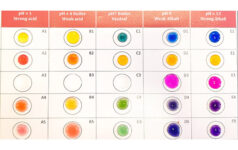
Drop by drop: Learn about pH chemistry and neutralization reactions, and produce wonderful colours using microscale methods that are cheap, quick, and easy.
The PDB Art project aims to make science more accessible and inspire young people to explore the beauty of proteins by bringing together art and science.
Need inspiration for teaching about fresh water on Earth? Try these Earthlearningideas for classroom activities that can be performed with very little equipment.
Ages: 11-14, 14-16, 16-19; Topics: Chemistry, Earth science, Science and society