Showing 10 results from a total of 603
November 25, 2016 | Issue 38
We know that robots are good for mechanical tasks – but here’s a chemistry project for robots that don’t mind getting their sensors wet.
Ages: 14-16, 16-19; Topics: Chemistry, Engineering, Teach, General science
November 25, 2016 | Issue 38
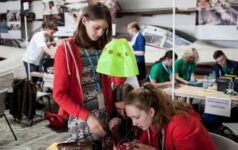
This June, students from around Europe met in Portugal to compete in the European CanSat competition. One of their teachers tells us more.
Ages: 14-16, 16-19; Topics: Inspire, Events
September 6, 2016 | Issue 37
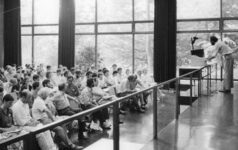
How Anne-Flore Laloë is chronicling the life and works of a scientific institution.
Ages: 11-14, 14-16, 16-19; Topics: Inspire, Profiles
September 6, 2016 | Issue 37
Taking inspiration from nature’s amazing ability to heal wounds, this biology-inspired technology could create aircraft wings that fix themselves.
Ages: 14-16, 16-19; Topics: Chemistry, Engineering
September 6, 2016 | Issue 37
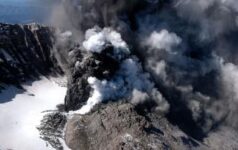
Using effervescent heartburn tablets, model the action of volcanoes to measure the intensity of the explosions and create your own measurement scale.
Ages: <11, 11-14, 14-16, 16-19; Topics: Earth science, Mathematics, General science