Teach radioisotopes and decay interdisciplinarily at a low cost
How to teach radioactive decay and radioisotopes to students who feel that equations are boring? Here are two inexpensive and captivating activities to apply in your classroom!
Showing 10 results from a total of 1045
How to teach radioactive decay and radioisotopes to students who feel that equations are boring? Here are two inexpensive and captivating activities to apply in your classroom!
Meet antimatter – nature’s invisible twin that could explain our existence and inspire our wildest stories.
How tiny quantum particles dig into the mysteries of future materials.
Spice up your physics lessons and show your students the tremendous impact of physics research on medical innovations.
Meet the universe’s ultimate drama queens – stars that steal, explode, and shine brighter than ever before.
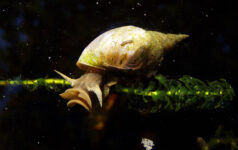
Using pond snails as a low-cost, hands-on model to teach biology and environmental science in secondary schools.
Zinc is an important trace element for plants and animals alike. Learn how nanoparticles could supply zinc to crops without having to add it to the soil.
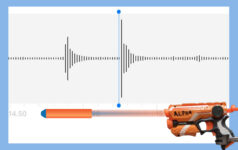
Speed of sound: use the sound-recording function of a smartphone to precisely measure a projectile’s speed and calculate a safe dodging distance.
Super (role) models: Use stories about real scientists to inspire, build confidence, and help the next generation of innovators envision their place in STEM.
Teach radioisotopes and decay interdisciplinarily at a low cost
Five things that matter about antimatter
Neutron science: a quantum story
How physics saves lives: Interdisciplinarity drives research
Celestial cannibalism: investigating cataclysmic variable stars
Snail-powered science: hands-on biology for active classrooms
X-rays shed light on enhancing zinc uptake in pepper plants
Measuring the speed of a toy-gun foam projectile – a handy guide
Bringing STEM to life: using LabXchange Narratives to inspire tomorrow’s scientists