Articles

Filter
Age group
Topic
Filter

Showing 10 results from a total of 163

| Issue 24

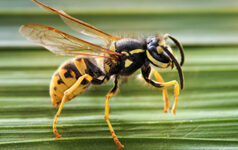
Cracking down on wildlife trafficking

Biologist Juliana Machado Ferreira is using science to combat wildlife traffickers in Brazil.

Ages: 11-14, 14-16, 16-19;
Topics: Biology, General science
         

| Issue 24

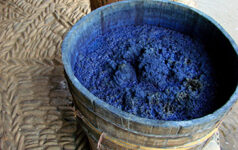
Indigo: recreating Pharaoh’s dye

What links your jeans, sea snails, woad plants and the Egyptian royal family? It’s the dye, indigo. Learn about its fascinating history and how you can extract it at school.

Ages: 14-16, 16-19;
Topics: Chemistry, General science
                 

| Issue 24

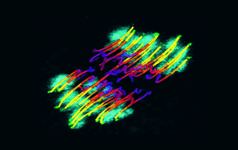
Behind the autism spectrum

Research into the genetics of the autism spectrum is increasing our understanding of these conditions, and may lead to better ways to diagnose and manage them.

Ages: 16-19;
Topics: Biology, General science, Health
           

| Issue 24

Seeing is believing: 3D illusions

To make the two-dimensional images that we see in print and on screen appear more real, we can hijack our brains to create the illusion of a third dimension, depth. These activities explore the physics that make this possible.

Ages: 14-16, 16-19;
Topics: Physics, Biology, General science
         

| Issue 23

Build your own radio telescope

​Astronomers use giant radio telescopes to observe black holes and distant galaxies. Why not build your own small-scale radio telescope and observe objects closer to home?

Ages: 11-14, 14-16, 16-19;
Topics: Physics, Astronomy / space
         

| Issue 23

The PhET website

Physics Education Technology (PhET to its friends) is the slick but not very meaningful title of a site that offers a wide range of excellent interactive physics simulations for secondary-school and university students.

Ages: not applicable;
Topics: Resources
   

| Issue 23

Intersex: falling outside the norm

Male or female? What are the issues surrounding children for whom the answer is not clear? Researchers Eric Vilain and Melissa Hines hope to provide some of the answers.

Ages: 16-19;
Topics: Biology, Health
           

| Issue 23

Exploding chromosomes: how cancer begins

​Brain tumours are one of the most common causes of death in children – and may begin when chromosomes are torn apart during cell division.

Ages: 16-19;
Topics: Biology, Health