Neutrons and antifreeze: research into Arctic fish
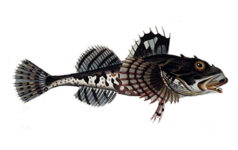
Matthew Blakeley from ILL and his colleagues from ESRF and elsewhere have discovered how antifreeze in Arctic fish blood keeps them alive in sub-zero conditions. He and Eleanor Hayes explain.
Showing 4 results from a total of 14
Matthew Blakeley from ILL and his colleagues from ESRF and elsewhere have discovered how antifreeze in Arctic fish blood keeps them alive in sub-zero conditions. He and Eleanor Hayes explain.
Sigrid Griet Eeckhout from the European Synchrotron Radiation Facility in Grenoble, France, investigates what determines the toxicity of mercury compounds – and how X-ray light is helping to solve the mystery.
Darren Hughes from the Institut Laue-Langevin in Grenoble, France takes a look at stress. How can it be manipulated to make safer rails for trains or more efficient wind turbines – and what can we learn from neutron- and X-ray analysis?
Paul Tafforeau from the University of Poitiers and the European Synchrotron Radiation Facility in Grenoble, France, explains what synchrotron X-ray studies of fossil teeth can tell us about the evolution of orang-utans – and our own origins.
Neutrons and antifreeze: research into Arctic fish
Mercury: a poisonous solution
Taking the stress out of engineering
Synchrotron light illuminates the orang-utan’s obscure origins